Yes! Pelvic floor physical therapy is an important part of a team-approach to managing endometriosis. Pelvic floor physical therapy is one of the first line treatments to manage endometriosis-related pain conditions like painful periods, painful sex, hip pain, back pain, or sciatica; as well as things like bladder urgency/frequency, constipation, and IBS-symptoms. Pelvic floor PT can also be an important part of your recovery if you choose to have surgery.
Pelvic floor therapy can be extremely helpful for releasing muscle tension and tender points and mobilizing scar tissue and adhesions. Some of these techniques may include internal and external pelvic floor release (only with your consent), soft tissue work around your back, hips, abdomen, neck and shoulders (massage, cupping, fascial mobilization), visceral mobilization, gentle dry needling techniques, and guided exercise to help you restore balance in your body.
Our nervous system also plays a huge role in where and how our bodies perceive pain/threat, and is a big driver of why our bodies hold tension in areas like our pelvic floor. Consider choosing a clinic that is peaceful and feels soothing to your nervous system. For example, Terra Pelvic Health was designed with a calm nervous system in mind - from the moment you walk in until your session is over, the furniture, lighting, and space is all thoughtfully curated to feel restorative, calm, and peaceful. It’s also important that you find a pelvic floor therapist that takes a trauma-informed, consent-forward approach, so you will never feel rushed or pressured. Each session is tailored to what your mind, body, and nervous system need during your session.
Why should I do pelvic floor therapy before endometriosis surgery?
Pelvic floor therapy before surgery can help your body prepare for surgery and support an easier recovery. Your therapist can also give you guidance on how to safely return to movement during your early recovery.
Why do I need pelvic floor therapy after endometriosis surgery?
Surgery is intended to remove endometriosis tissue and adhesions, but it does not address muscle tension or nervous system dysregulation that can contribute to persistent symptoms after surgery. In fact, sometimes we actually see more tension/guarding through the body after surgery as your body tries to find a new normal. Pelvic floor therapy will help address tension-holding patterns, muscle tender (trigger) points, and help you feel safe and at home in your body again.
Do I have to have surgery for endometriosis?
No. Excision surgery is currently the gold standard treatment for endometriosis, but depending on your preferences and goals, you may work with your medical team to explore non-surgical options including medication (birth control or hormonal suppression), pelvic floor therapy, and lifestyle interventions. While these things aren’t directly treating endometriosis lesions, they can be helpful for managing symptoms like painful periods or painful sex. Your pelvic floor therapist can also help you weigh the pros/cons of different treatment options to make whatever decision is right for you.
Are there tools that I can use at home to support my pelvic health?
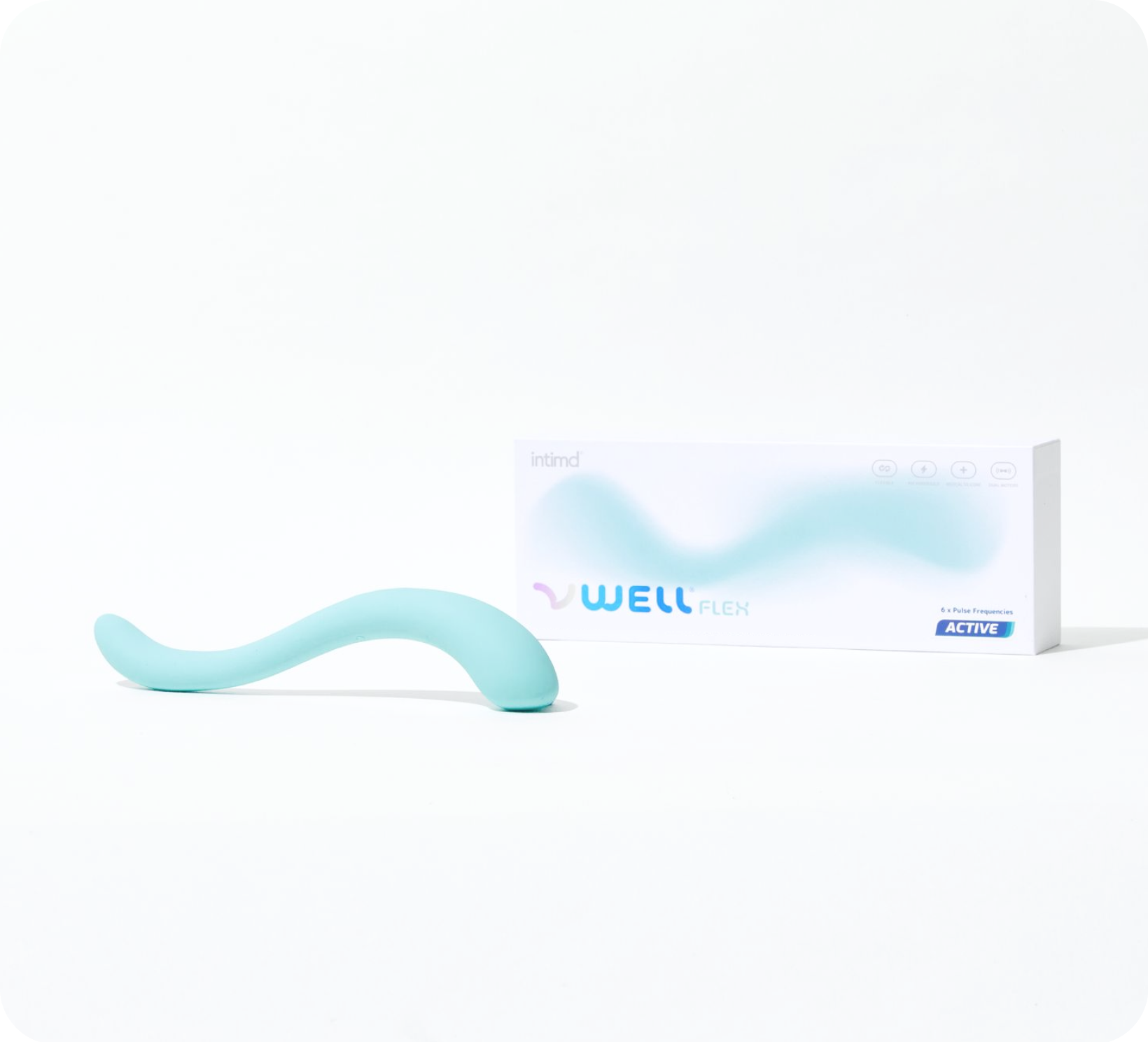
Yes, I often recommend pelvic wands and vaginal dilator trainers to maintain and build on the improvements made in pelvic floor therapy. Vibrating pelvic wands like this one HERE by VWELL called FLEX can be used to release tender points in the pelvic floor muscles. The vibration can also improve blood flow to the tissues and decrease the sensitivity of these tissues.
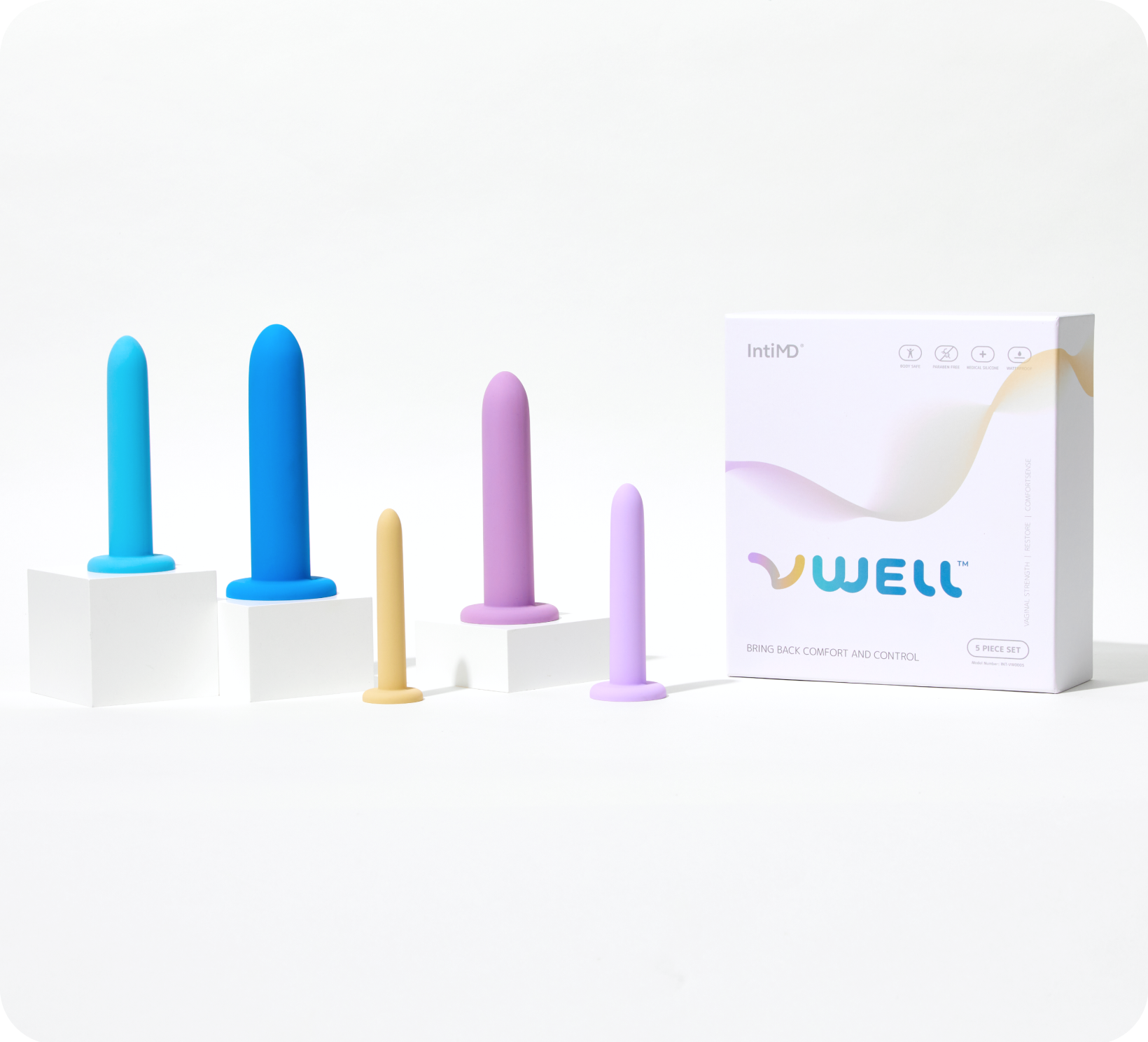
Vaginal dilator trainers like these pelvic wands can be used if you’re experiencing painful intimacy or painful insertion. Vaginal trainers allow you to slowly stretch the tissues at the vaginal entrance progressively over time. The goal is to keep the intensity of the stretch within a mild or mild-moderate range so your body can learn to more comfortably tolerate insertion. Individuals can use vaginal trainers at home over weeks to months with guidance from their pelvic floor therapist on what size to start with and how to progress over time.
—
Medical Disclaimer: This blog is for educational purposes only and is not intended to diagnose or treat medical conditions. Please consult with a qualified healthcare provider before beginning any new treatment or exercise program.
Written by:
Dr. Emma Long, PT, DPT licensed pelvic floor physical therapist and founder of Terra Pelvic Health located in Denver, Colorado that specializes in women’s pelvic health, particularly prenatal and postpartum care.

Connect with me:
Visit: TerraPelvicHealth.com
Instagram: @TerraPelvicHealth
Email: hello@terrapelvichealth.com