
If you’ve ever been told “Just do your Kegels” for bladder leaks, pelvic pain, or postpartum recovery, you are not alone. Kegels are one of the most commonly recommended — and most misunderstood — pelvic floor exercises.
Here’s the truth most women are never taught:
Kegels are not bad. But they are not always appropriate. Pelvic health research over the last two decades has made one thing very clear: pelvic floor dysfunction is not one size fits all, and neither is treatment. Strengthening can be powerful — when applied to the right presentation. When applied to the wrong one, it can worsen symptoms.
In this blog, I want to walk you through what the research and clinical practice actually show about Kegels, when they are helpful, when they should be paused, and why individualized pelvic floor assessment matters.
What Are Kegels? (And What the Evidence Says)
Kegels are a pelvic floor muscle strengthening exercise intended to improve the strength, endurance, and coordination of the pelvic floor. These muscles support the bladder, bowel, and uterus, contribute to sexual function, and help manage pressure during daily activities.
Research supports pelvic floor muscle training (PFMT) — which includes Kegels — as a first line treatment for stress urinary incontinence and certain presentations of pelvic organ prolapse. Studies also show benefits for:
- Improved bladder control and reduced leakage
- Improved bowel control and reduced fecal incontinence
- Improved pelvic organ support
- Improved sexual function through better muscle coordination and blood flow
However, and this is critical, PFMT is effective when the pelvic floor is able to fully relax and contract. Strengthening a muscle that cannot lengthen or coordinate properly is unlikely to produce good outcomes.
The Pelvic Floor Can Be Weak OR Tight — and Research Supports This
Historically, pelvic floor dysfunction was treated as a weakness problem. More recent research and clinical findings now clearly recognize overactivity, tension, and impaired relaxation as equally common contributors to symptoms.
Here’s a key principle supported by neuromuscular and rehabilitation science:
>A muscle that cannot move through its full range of motion cannot strengthen
effectively.
When the pelvic floor is habitually held in a shortened or elevated position:
- Muscle fibers lose their ability to generate efficient force
- Coordination with breathing becomes impaired
- Relaxation during bladder and bowel emptying is compromised
This means a pelvic floor can feel tight and still be functionally weak.
In these cases, lengthening and relaxation strategies are not the opposite of strengthening — they are a prerequisite for strengthening.
When Kegels Are Typically Appropriate
Based on current evidence and clinical guidelines, Kegels are generally appropriate when:
- The pelvic floor can fully relax between contractions
- There is measurable weakness or reduced endurance
- Pain and voiding dysfunction are not the primary symptoms
Common presentations where Kegels may be beneficial:
- Stress urinary incontinence (leakage with cough, sneeze, or exercise)
- Pelvic organ prolapse without significant pelvic pain
- Postpartum weakness after adequate tissue healing
- Reduced muscle endurance or coordination without overactivity
In these cases, pelvic floor muscle training should be:
- Dosage appropriate (not excessive)
- Integrated with breathing and core coordination
- Progressed based on response, not habit
When Kegels Should Be Paused or Modified
Clinical research and pelvic floor physical therapy guidelines strongly caution against
strengthening in the presence of pelvic floor overactivity or pain.
Symptoms that warrant holding OFF on Kegels include:
- Pelvic pain or pressure
- Pain with penetration or gynecologic exams
- Difficulty starting urine or fully emptying
- Chronic constipation or straining
- Burning, urgency, or pelvic discomfort
- Symptoms that worsen with stress or anxiety
If these symptoms sound familiar, your pelvic floor likely needs relaxation and down training — not strengthening. One of the most effective ways to begin addressing this at home is through targeted internal release techniques, which is where tools like a pelvic wand can be helpful. So the next question becomes: “Okay… but how do I actually help my body let go?”
This is where a pelvic wand can be a really helpful tool.
When Your Pelvic Floor Is Tight, Not Weak
If you’re dealing with pain with penetration, deep pelvic discomfort, or a constant feeling of tension, there’s a good chance your pelvic floor is overactive — meaning it’s staying “on” when it should be able to relax.
And here’s the part most people aren’t told: You can’t just “tell” a muscle to relax if your body doesn’t know how to release it. That’s not a willpower issue — it’s how your nervous system and muscles are working together.
A Tool That Can Help
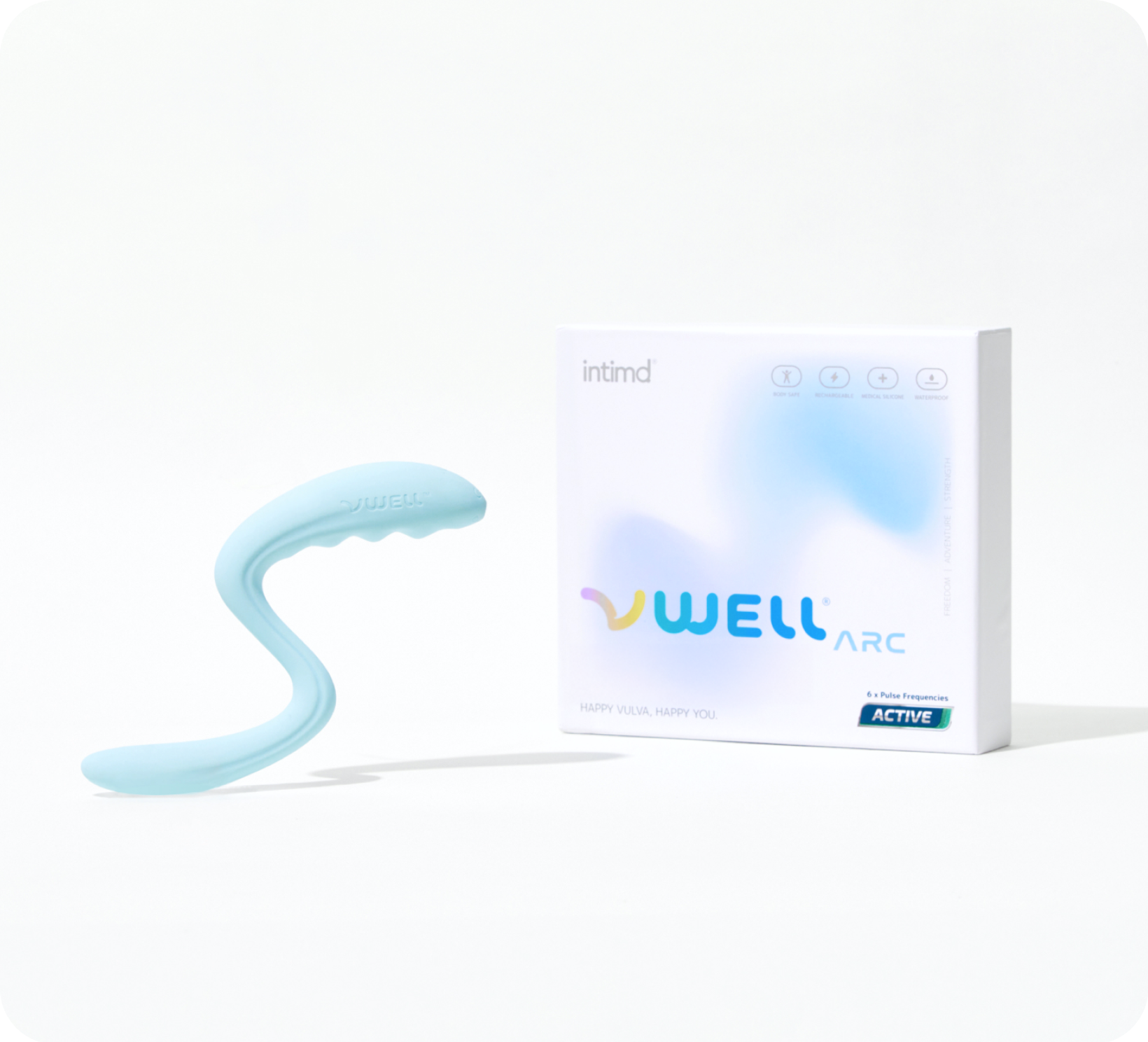
A pelvic wand is designed to reach the deeper pelvic floor muscles — the ones that often hold the most tension and are difficult to access otherwise.
When used appropriately, it can support:
- Reducing pelvic floor tension
- Improving the body’s ability to relax
- Decreasing discomfort with daily activities or intimacy
Not all pelvic wands are created equal, and this does matter. I recommend the Arc wand by VWELL because it’s designed in a way that actually allows you to reach and address deeper areas of tension more effectively than many shorter or softer tools.
If you feel like this could be a good fit for you, you can find the Arc wand here: https://vwell.com/?ref=MYCOREHARMONY
Use code MYCOREHARMONY for 15% off

Why Pelvic Floor Physical Therapy Matters
Pelvic floor physical therapy is not just about exercises — it is about assessment,
differentiation, and individualized care.
A pelvic floor physical therapist is trained to evaluate:
- Muscle strength and muscle tone
- Ability to relax and lengthen
- Coordination with breathing and movement
- Contribution of hips, core, posture, and nervous system
- Bowel and bladder mechanics
This assessment allows treatment to be matched to your specific presentation, rather than applying generic advice. For many women, pelvic floor therapy begins with education, relaxation, coordination, and symptom regulation — and only later progresses to strengthening when the body is ready. This approach is supported by evidence showing improved outcomes, reduced pain, and better longterm symptom resolution.
So… Should You Be Doing Kegels?
The most honest, evidencebased answer is: it depends. Kegels are a valuable tool — but only when used at the right time, for the right reason, and in the right way.
Blanket recommendations fail women. Individualized assessment empowers them.
A Final Thought
If Kegels didn’t help you — or made things worse — you did not fail. Your body was responding appropriately to the information it was given.
Pelvic health improves when we stop asking “What exercise should I do?” and start asking “What does my body need right now?”
That shift is where real, lasting change begins.
This article was written by Tiffany Surmik, Pelvic Health Therapist.

References (Evidence-Based Sources)
1. Bø K, Berghmans B, Mørkved S, Van Kampen M. Evidence-based physical therapy for
the pelvic floor. 2nd ed. Elsevier; 2015.
2. Dumoulin C, Cacciari LP, HaySmith EJC. Pelvic floor muscle training versus no
treatment for urinary incontinence in women. Cochrane Database of Systematic
Reviews. 2018;10:CD005654.
3. Hagen S, Stark D. Conservative prevention and management of pelvic organ
prolapse in women. Cochrane Database of Systematic Reviews. 2011;12:CD003882.
4. Fitzgerald MP, Kotarinos R. Rehabilitation of the short pelvic floor. International
Urogynecology Journal. 2003;14(4):269–275.
5. Anderson RU, Wise D, Sawyer T, Chan CA. Integration of myofascial trigger point
release and paradoxical relaxation training in the treatment of chronic pelvic pain.
Journal of Urology. 2005;174(1):155–160.
6. Hodges PW, Sapsford R, Pengel LH. Postural and respiratory functions of the pelvic
floor muscles. Neurourology and Urodynamics. 2007;26(3):362–371.
7. National Institute for Health and Care Excellence (NICE). Urinary incontinence and
pelvic organ prolapse in women: management. NICE Guideline NG123. Updated
2019.
8. American Physical Therapy Association (APTA) Academy of Pelvic Health Physical
Therapy. Clinical practice guidelines and position statements on pelvic floor muscle
dysfunction.
-
How to Locate a Pelvic Health Professional?
You can locate a pelvic health professional in our Pelvic Health Therapist Directory. There are various options in all states, and many are available virtually.
-
Subscribe to our mailing list for exclusive tips and deals and follow VWELL on Tiktok, Instagram, and Youtube to stay up to date on all things pelvic health and wellness.