A guide to understanding, treating, and reclaiming your sexual health
By Elizabeth Lauten, PT, DPT, CDN • Monarch Physical Therapy & Performance
Perimenopause and menopause are profound transitions, ones that touch nearly every system in the body, including sexuality. Hormonal shifts can reduce vaginal lubrication, cause sensitive or painful vulvar tissues, lead to recurrent urinary tract infections, diminish tissue flexibility and pelvic floor strength, and decrease blood flow to the pelvis. Beyond the pelvis, these same hormonal changes can lower libido and contribute to joint and tendon pain that makes intimacy physically uncomfortable. If you are experiencing any of these changes, you are not alone, and there is help.
“One in four women will have pain with sex at some point in her lifetime.”
— Dr. Sara Reardon, PT, DPT, WCS — Floored
The most common sexual symptoms during perimenopause and menopause include pain with intercourse, decreased libido, vaginal dryness, and difficulty achieving orgasm. If you are living with any of these, you are far from alone, and there is real, effective help available.
“Don’t have sex if you don’t want to. But if you do want to, we need to make a plan.”
— Michelle Lyons — Flourish, 2025
Sexual dysfunction during menopause is rarely unidimensional. It emerges from the intersection of hormones, nervous system, emotions, relationship, and body, and it deserves a response that honors that complexity. Healing often requires a team of providers, which may include your physician, a pelvic health therapist, and a mental health professional, all working together on your behalf. The sections below explore each of these dimensions, with practical tools and strategies to support you along the way.
1. The Brain: Your Most Powerful Sexual Organ
Before we talk about the body, we need to talk about the brain. The brain plays a central role in sexual response, influencing desire, arousal, pleasure, and emotional connection. Mind-body practices, nervous system care, and a broader understanding of pleasure are not soft add-ons, they are foundational to sexual wellness during perimenopause and menopause.
Mindfulness & Everyday Pleasure
One of the simplest and most overlooked strategies for supporting sexual desire is cultivating pleasure outside the bedroom. Everyday sensory experiences help stimulate the dopamine pathways that underlie desire. Try pausing during your day to notice the warmth of sunlight on your skin, the cool texture of a breeze, the rhythm of your own breath.
A particularly lovely exercise is mindful eating. Choose something you enjoy, a strawberry, a piece of dark chocolate. Before you eat it, observe it fully: its color, shape, texture, and size. As you take that first bite, slow down. Notice the taste, the temperature, the way it feels in your mouth. This practice trains your brain to be fully present to sensory experience, a skill that carries over into intimacy.

Nervous System Health
Our nervous system operates in two primary modes: the sympathetic (“fight or flight”) and the parasympathetic (“rest and restore”). Neither is inherently bad, what matters is our capacity to shift fluidly between them. The demands of modern life often keep us locked in sympathetic overdrive, and from that state, sexual arousal is genuinely difficult to access.
It’s worth understanding why: your brain prioritizes survival above everything else. Breathing, heartbeat, blood pressure, these come first. Pelvic blood flow for arousal and orgasm? To your brain, these are lower priorities. Reducing stressors and investing in sleep and nutrition are not indulgences, they are physiological necessities that make space to move beyond survival to desire.
To gently support your parasympathetic system, try:
- Singing, humming, or playing music
- Laughter and unhurried time with people who feel safe to you
- Creating intentional transitions between busy, high-output tasks and rest
- Restorative social connection (we literally co-regulate our nervous systems with one another)
Relationships & Mindset
Emotional connection with a partner supports oxytocin, the bonding hormone that also promotes openness and desire. Quality time together, not just physical intimacy, matters. Consider taking time to identify your personal “accelerators” (what genuinely turns you on) and “brakes” (what shuts you down), and use that self-knowledge to shape your intimate life with more intention.
Perimenopause and menopause often invite us to expand our understanding of what sex can be. Different positions, new forms of stimulation, and a broader definition of intimacy can open doors that felt closed. Working with a sex counselor, therapist, or certified sex coach can be transformative in this process.
Two books I return to again and again for patients:
- Better Sex Through Mindfulness by Lori A. Brotto
- Come as You Are by Emily Nagoski
2. Pelvic Floor Health
Relaxation
The pelvic floor muscles must be mobile and capable of full relaxation for comfortable penetrative sex. When these muscles are tight, guarded, or restricted, whether from anxiety, disuse, or hormonal changes, intimacy becomes painful and difficult. Breathing exercises, mindfulness, and vibration tools are all effective ways to encourage release and restore mobility.
Strength & Blood Flow
Orgasm requires two things working in concert: increased blood flow to the pelvis and coordinated contraction of the pelvic floor muscles. During perimenopause and menopause, both can be compromised. Regular pelvic floor strengthening and aerobic exercise are among the most effective tools we have to restore both.
Tools to Help
Pelvic wands a great tools to improve tissue mobility, improve blood flow, and increase pelvic floor relaxation. Here are a few of my favorites.
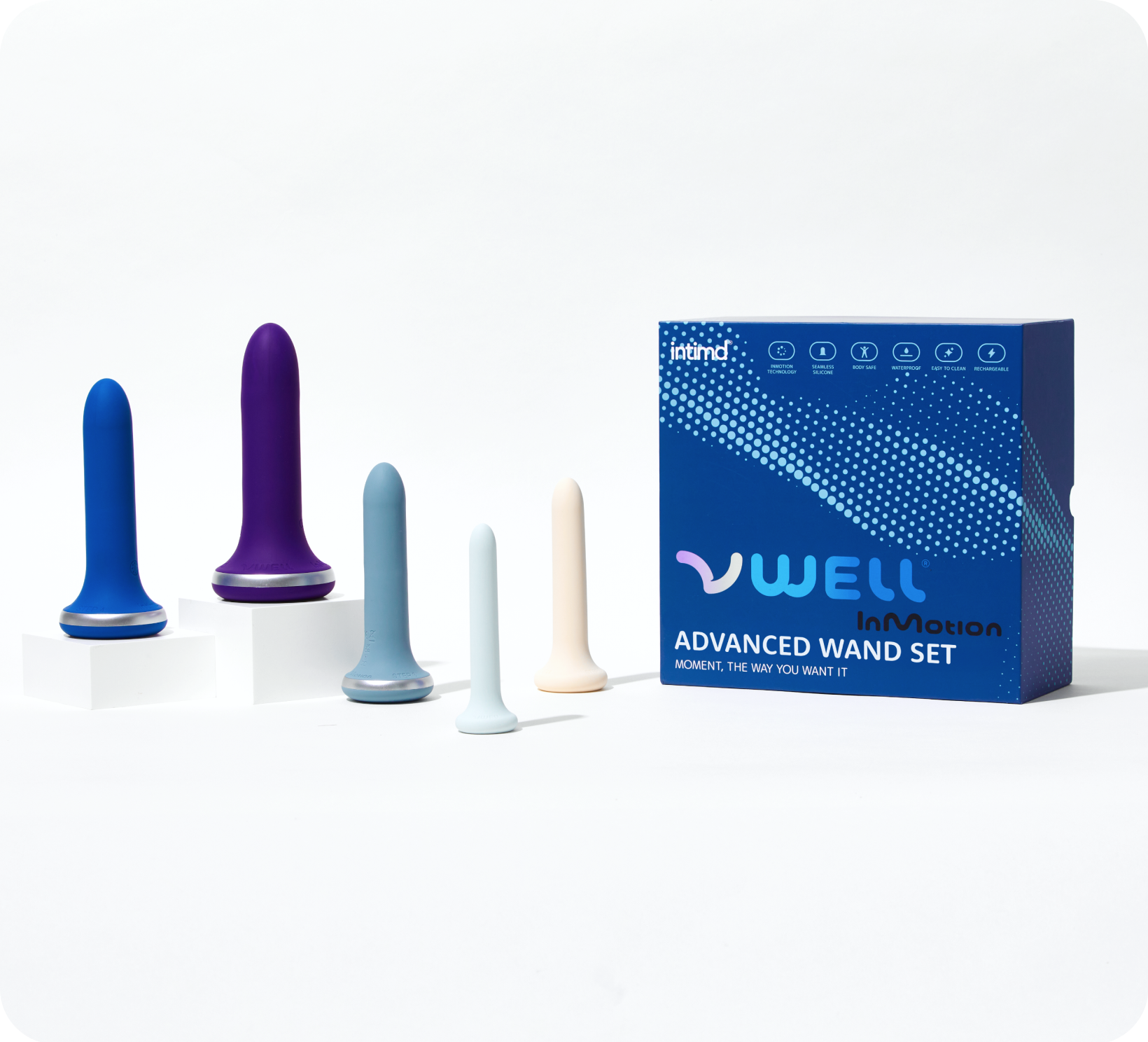
 VWELL InMotion Advanced Wand Set
This thoughtfully designed dilator set combines progressive dilation with gentle, comfortable vibration, creating an experience that simultaneously encourages tissue relaxation and improves pelvic circulation. It increases blood flow and decreases pelvic tightness. The lowest setting is very gentle making it uniquely appropriate for those experiencing tissue sensitivity or anxiety around penetration. A genuinely excellent tool for reclaiming comfort and pleasure.
Shop: https://vwell.com/products/
Use code ELIZABETH15 for 15% off.

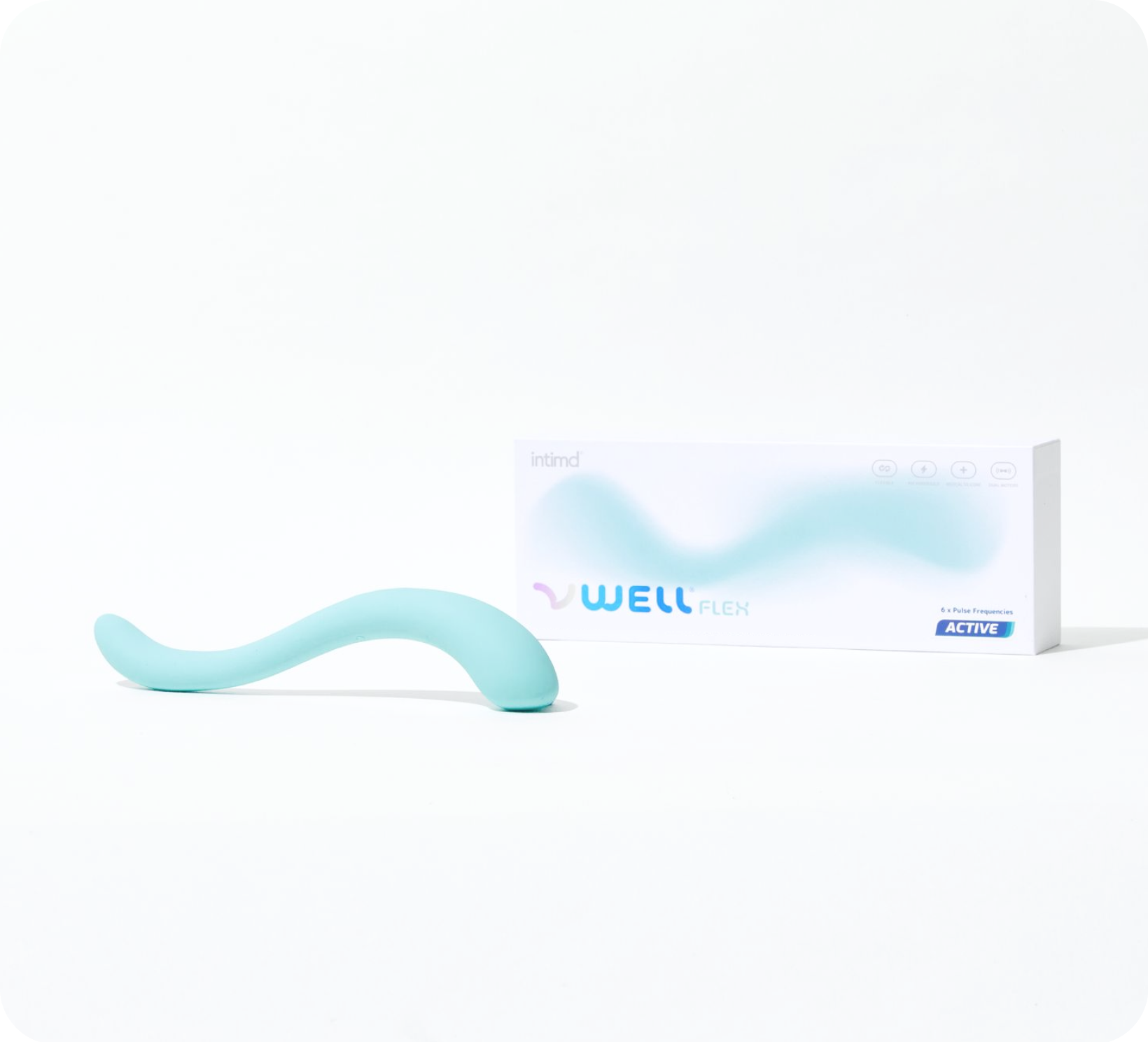
 VWELL Flex Vibrating Wand
Flexible and fully customizable to your body’s unique anatomy, the Flex Vibrating Wand is a great tool for improving pelvic floor mobility, relaxation, and blood flow. Whether you’re managing tightness, sensitivity, or simply want to support tissue health, this wand meets you where you are.
Shop: https://vwell.com/products/
Use code ELIZABETH15 for 15% off.

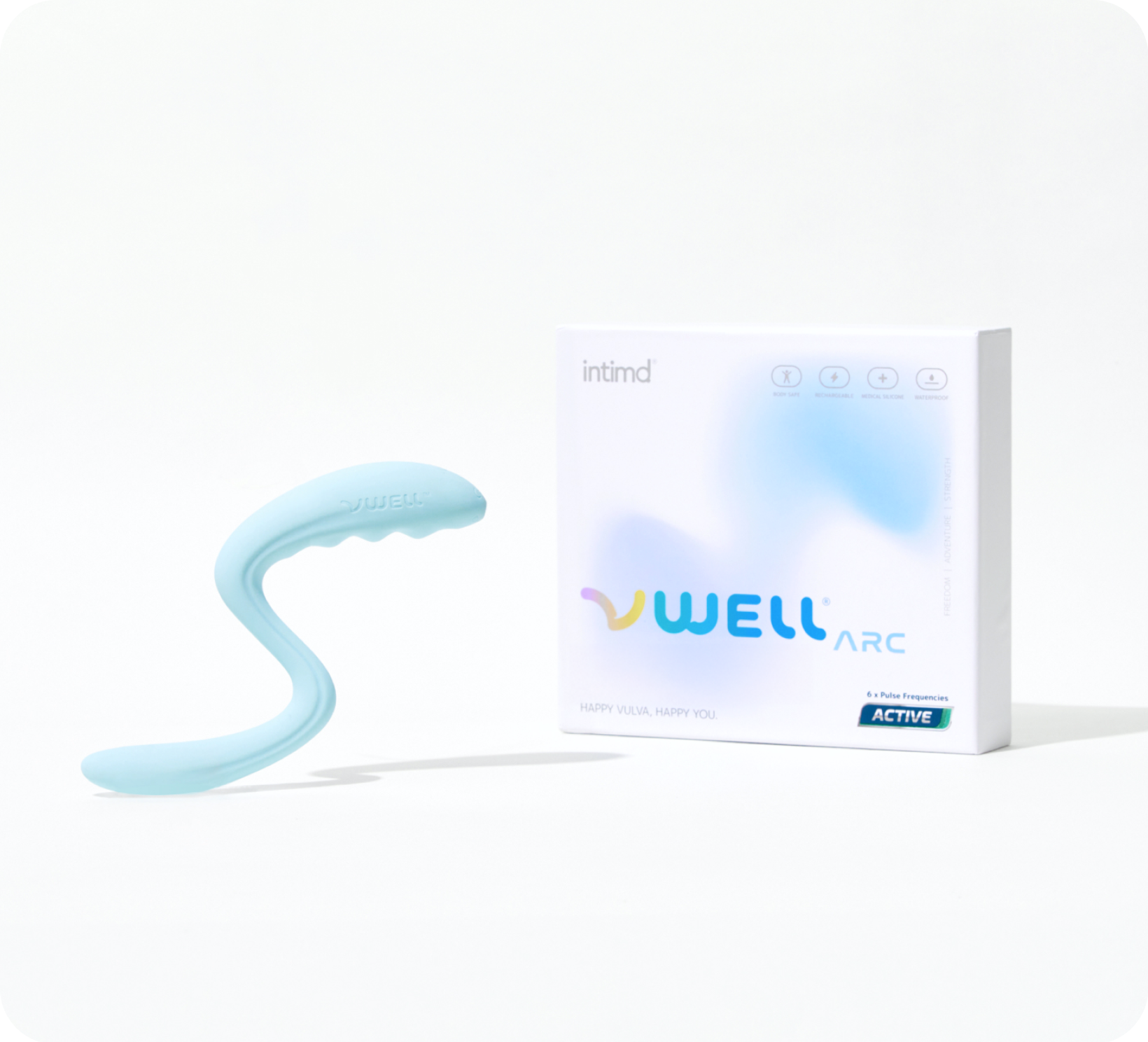
VWELL Arc Vibrating Wand
Designed with an ergonomic handle for easy, comfortable grip, the Arc Vibrating Wand is ideal for self-use. Its shape makes it simple to maneuver, making relaxation and mobility work feel effortless and accessible.
Shop: https://vwell.com/products/
Use code ELIZABETH15 for 15% off.

3. Vulvar & Vaginal Tissue Health
One of the most significant, and often undertreated, consequences of declining estrogen is a condition called Genitourinary Syndrome of Menopause (GSM). It affects the vulva, vagina, and urinary tract, and its symptoms can range from mildly uncomfortable to distressing. These may include:
- Vulvar and vaginal dryness, itching, or burning
- Recurrent urinary tract infections (UTIs)
- Urinary urgency, frequency, or leakage
- Painful urination
- Decreased arousal or difficulty with orgasm
- Pain during sex
The first-line treatment for GSM is local estrogen, a topical cream or suppository applied directly to the vagina and vulva, often used alongside systemic hormone therapy. A provider who specializes in menopause or hormonal health can prescribe and monitor these medications safely and effectively.
Pelvic health physical or occupational therapy is also a powerful complement, using hands-on manual therapy techniques to improve tissue sensitivity, mobility, and comfort.
A note for postpartum individuals: those who are breastfeeding can also experience prolonged low estrogen and nearly identical symptoms, a condition called Genitourinary Syndrome of Lactation (GSL). The same treatment principles apply.
Lubrication
Lubrication is not optional, it is essential. Choose a quality lubricant with non-irritating, fragrance-free ingredients. If you are using silicone-based tools or toys, always pair them with a water-based lubricant, as silicone lubricants can degrade silicone products over time. Before using any new product in or around the pelvis, do a 24-hour patch test on your wrist or inner arm.
4. Lifestyle as Foundation
Your overall health is the substrate on which sexual health is built. When the body feels cared for and safe, it can move beyond survival, into thriving, connection, and pleasure. A few areas that consistently make a meaningful difference:
- Move your body. Research strongly and consistently supports regular exercise for sexual health in menopausal and postmenopausal women. Even moderate movement makes a difference.
- Prioritize sleep. Restorative sleep supports hormone regulation, mood, and energy, all of which feed directly into desire.
- Manage stress intentionally. Chronic stress keeps your nervous system in survival mode. Creating moments of genuine rest is not a luxury, it is medicine.
- Fuel yourself well. Adequate nutrition signals safety to your body. When you are undernourished, your body conserves resources, and libido is one of the first things it sets aside.
5. Additional Strategies
Hormonal & Medical Support
Hormone Replacement Therapy (HRT) is one of the most effective and evidence-based options for improving sexual function in menopause. Other medications specifically targeting low sexual desire in women are also available. A menopause-informed provider can review your current medications for side effects that may be affecting your libido and discuss all appropriate options for your individual situation.
Addressing Physical Pain
Hormonal changes commonly contribute to headaches, hip tendonitis, and low back pain, all of which can limit comfort and tolerance during sexual activity. If pain is a barrier for you, know that it can be addressed. Experimenting with position modifications can help, and working with a physical therapist to treat underlying pain conditions can make a profound difference in both your daily life and your intimacy.
-
Resources & Further Reading
- Better Sex Through Mindfulness by Lori A. Brotto
- Come as You Are by Emily Nagoski
- The New Menopause by Mary Claire Haver
- The New Perimenopause by Mary Claire Haver
- Floored by Sara Reardon
-
About the Author
Elizabeth Lauten, PT, DPT, CDN is a pelvic health physical therapist specializing in female pelvic health and perinatal care at Monarch Physical Therapy & Performance in the Pacific Northwest. She is passionate about helping people navigate perimenopause and menopause with information, support, and compassionate care.
360-890-2693
elizabeth@
Instagram • Facebook • LinkedIn
VWELL discount code: ELIZABETH15 — 15% off site wide at VWELL.com
-
References
Haver, M. C. (2023). The New Menopause: Navigating Your Path Through Hormonal Change with Purpose, Power, and Facts. Rodale Books.
Haver, M. C. (2024). The New Perimenopause: A Mind-Body Plan to Navigate the Change with Confidence and Ease. Rodale Books.
Lyons, M. (2026). Flourish! The Menopausal Toolbox [Online course]. Michelle Lyons Muliebrity Education. https://michelle-lyons-
Nagoski, E. (2015). Come as You Are: The Surprising New Science That Will Transform Your Sex Life. Simon & Schuster.
Reardon, S. (2024). Floored: A Pelvic Floor Physical Therapist’s Guide to Eliminating Pain, Reclaiming Strength, and Moving with Confidence. Avery.