For many in our pelvic health community and any gender, receptive anal intimacy (bottoming) is a major source of pleasure, connection, and intimacy. Yet, a cloud does often hang over the anticipation: fear of pain, discomfort, or "getting it right." You may have heard the advice of "just use more lube" or "relax", but sometimes, despite our best efforts, the experience can feel more like a chore than a choice.
But there's good news, it doesn’t have to be that way. The secret isn't just mental relaxation...it's physiological preparation. By understanding and training your pelvic floor, you can fundamentally change your experience, shifting it from tension to absolute trust and pleasure.
What is the Pelvic Floor, and Why Should a Bottom Care?
Think of your pelvic floor as a powerful set of muscles sitting at the base of your pelvis. Both men and women have one. It supports your bladder and bowel, and controls your sphincters.
When it comes to bottoming, these muscles have two primary jobs: Guarding (naturally contracting) and Releasing (dropping to "let things enter"). For many people, due to stress or previous uncomfortable experiences, these muscles may remain in a state of chronic high tension. According to the Academy of Pelvic Health Physical Therapy, this "hypertonicity" can lead to significant pelvic pain and sexual dysfunction if not addressed.
Common Misconceptions and Myths About Anal Relaxation
Before we get to the solutions, let’s clear the air on a few things by debunking some myths.
Myth 1: Being "Tight" is always a good thing.
False. While pelvic floor strength is important, chronic tightness is actually a dysfunction. A healthy pelvic floor is supple—powerful enough to contract, but flexible enough to fully release. The International Society for Sexual Medicine (ISSM) emphasizes that maintaining this balance is crucial for avoiding pain during male on male sexual health activities.
Myth 2: Anal sex will permanently "stretch you out."
False. Your anal sphincters are incredibly strong, elastic muscles designed to expand and snap back. Peer-reviewed studies indexed on NIH - PubMed regarding "anal dilation protocols" show that controlled, gradual dilation actually helps desensitize the "guarding reflex" without compromising the long-term integrity of the muscle.
Myth 3: Pain is just part of the process.
False. Pain is your body’s alarm system. In the context of bottoming, pain usually means your muscles are too tense or there isn't enough lubrication. Ignoring pain often makes pelvic tension worse over time, as the brain begins to associate intimacy with a threat. Always keep this in mind.
Changing the Game: Your Pelvic Floor Prep Routine
If you want to enjoy bottoming without the blues, you need a proactive approach. It’s about teaching your muscles how to let go before the heat of the moment.
1. Breathwork: The Diaphragmatic Reset
Your diaphragm and your pelvic floor move together. When you inhale deeply into your belly, your pelvic floor naturally softens. This is a foundational technique used in pelvic floor physical therapy to down-train overactive muscles.
2. Targeted Muscle Release (Using a Pelvic Wand)
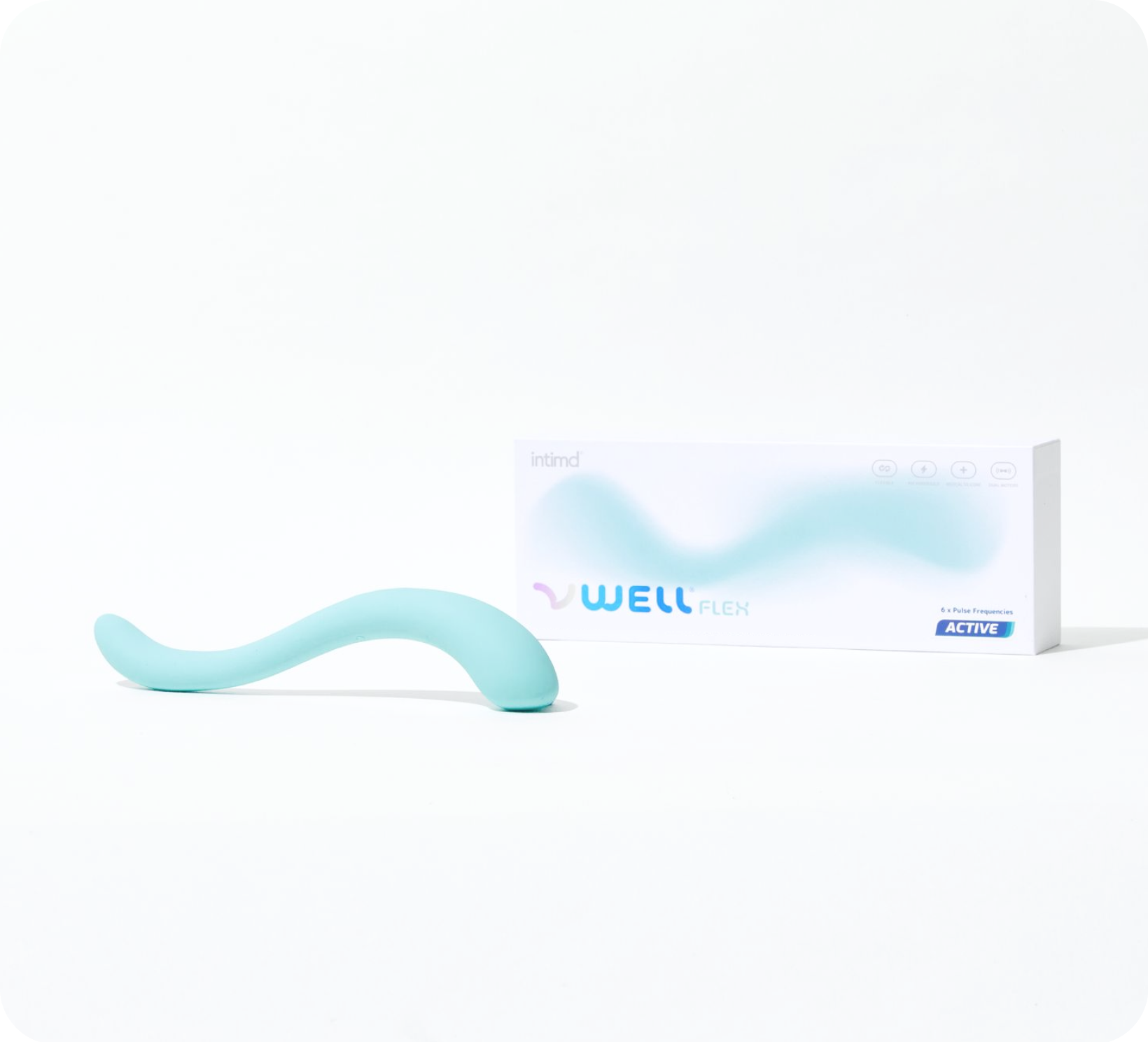
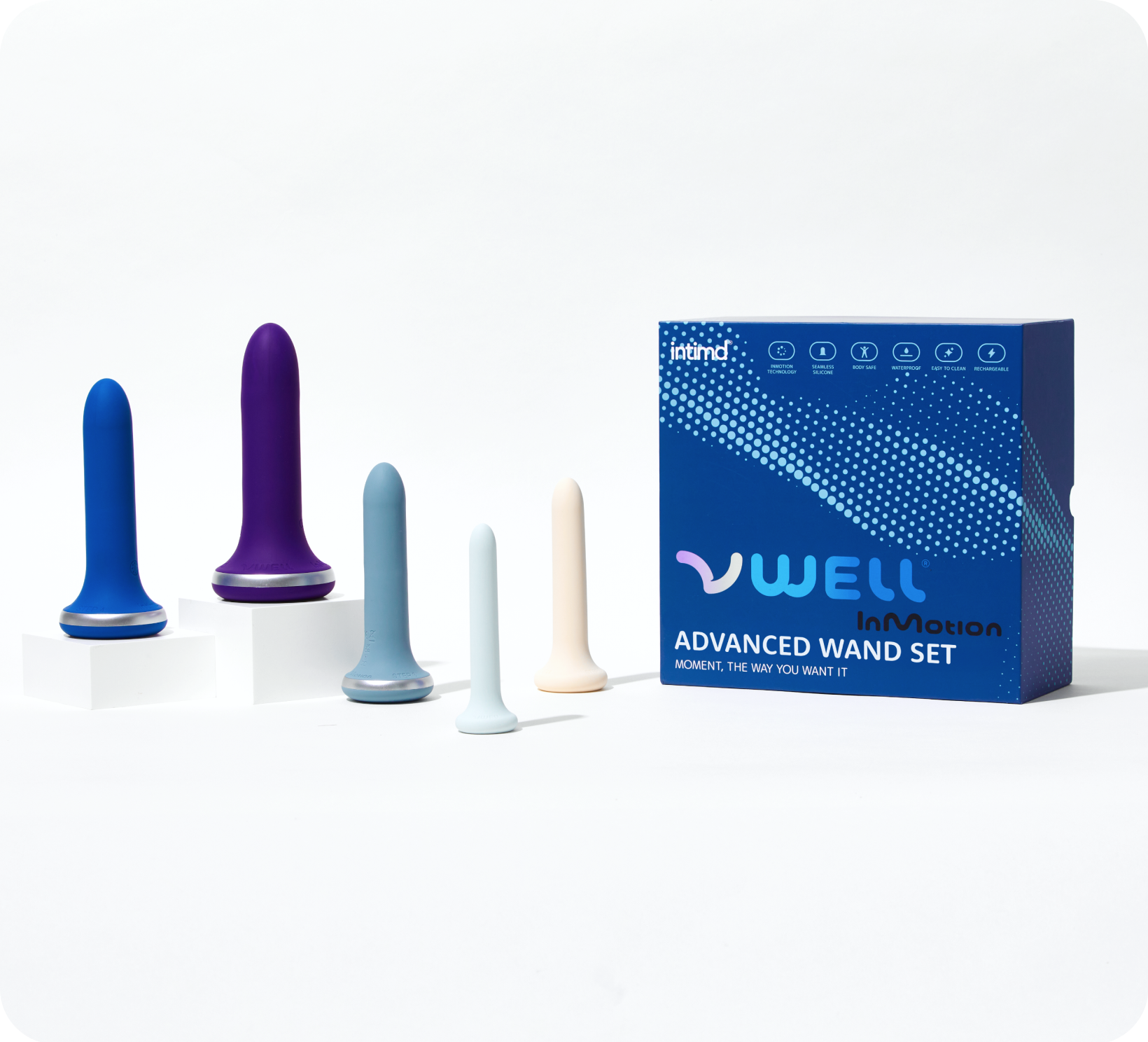
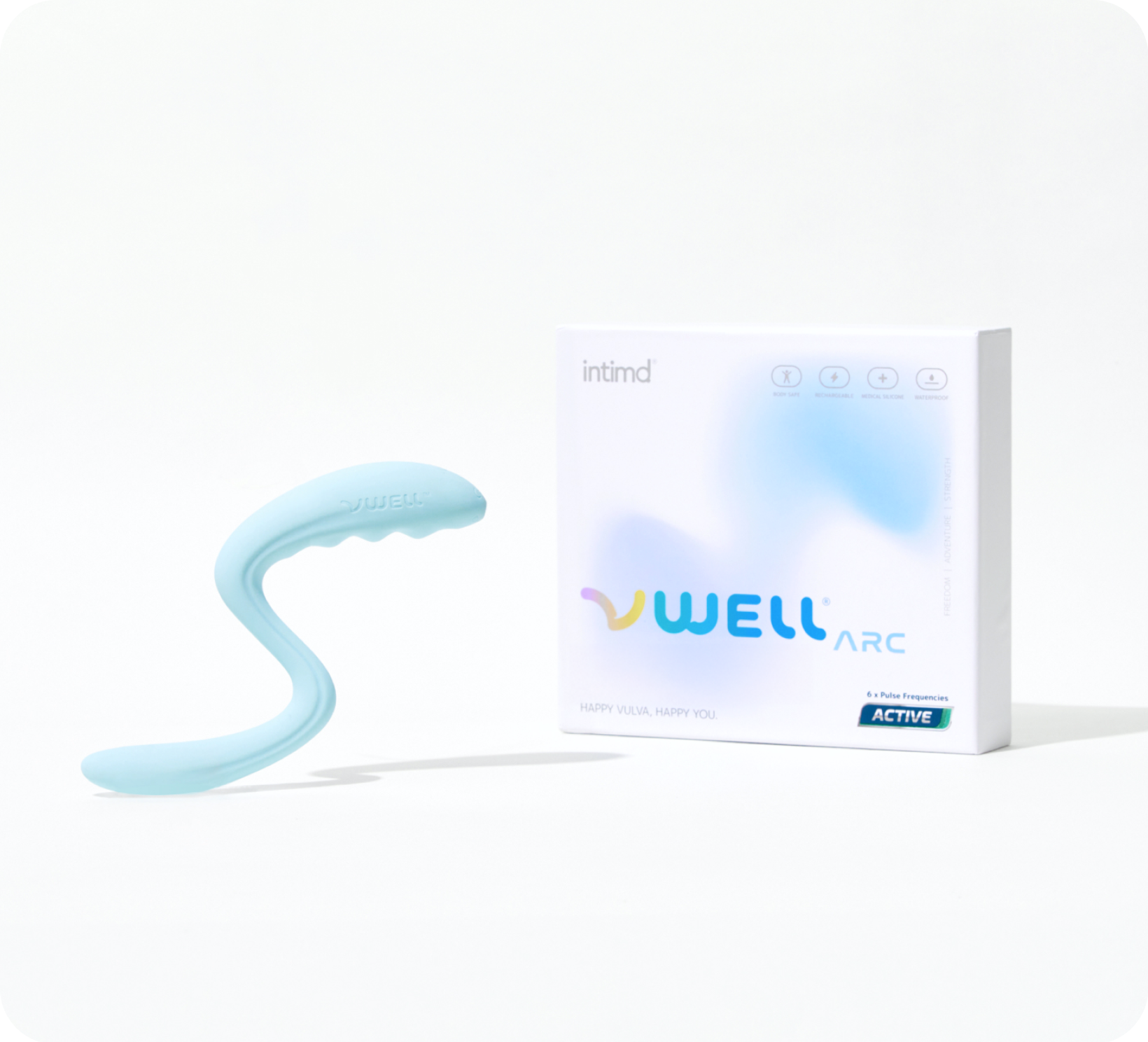
When muscle tension is deep or chronic, breathing alone might not be enough. This is where medical-grade tools, like a VWELL pelvic floor wand, come in. These are designed to help you locate and gently release internal "trigger points" within the rectal cavity. By using a pelvic wand to apply gentle pressure, you provide biofeedback to your brain, teaching it exactly what "release" feels like.

3. Gradual Dilation (Trainers)
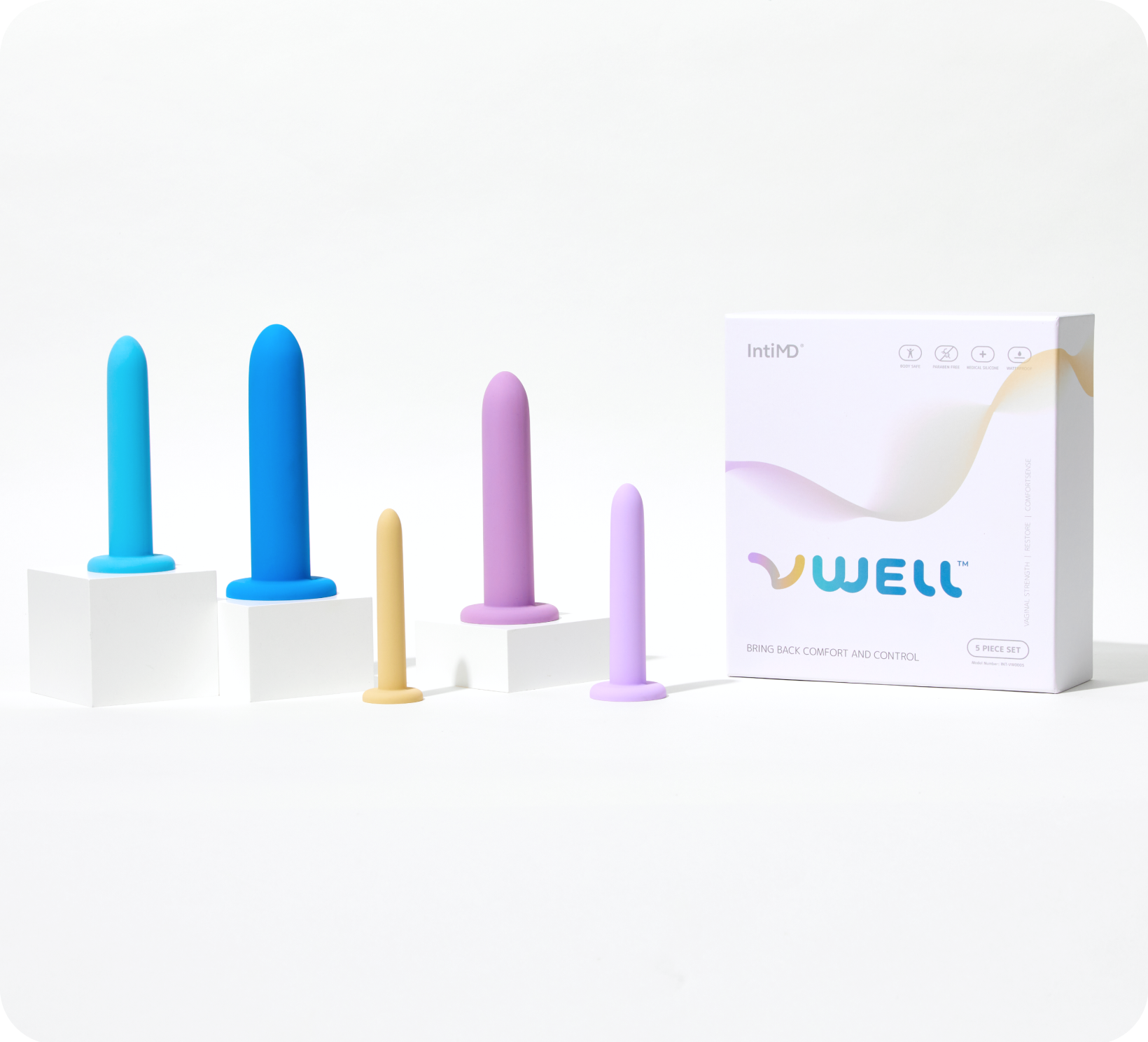
Using a set of graduated silicone wands or trainers allows you to slowly accustom your muscles to larger diameters and wand sizes. It’s not about "stretching", rather it is about conditioning the nerves to accept fullness without a fear response. This gradual acclimation builds confidence and eliminates the "shock" of initial penetration.

The Takeaway
Your body is designed for pleasure, but like any finely tuned instrument, it sometimes requires calibration and or reset. By treating pelvic floor prep as a standard part of your wellness routine—much like hitting the gym—you aren’t just preparing for a single night; you are investing in a lifetime of comfortability, confidence, and joyful intimacy.
This article is for informational purposes only and does not constitute medical advice. Always consult a healthcare professional if you are experiencing chronic pain.
-
How to Locate a Pelvic Health Professional?
You can locate a pelvic health professional in our Pelvic Health Therapist Directory. There are various options in all states, and many are available virtually.
-
Subscribe to our mailing list for exclusive tips and deals and follow VWELL on Tiktok, Instagram, and Youtube to stay up to date on all things pelvic health and wellness.