Frequent anxiety can lead to the pelvic floor holding tension...let’s talk about how.
Before we do, let’s briefly mention what it means to have pelvic tension. In this instance, we are referring to pelvic tension as tight muscles, which can create a “hypertonic pelvic floor”.
The pelvic floor is the group of muscles sitting at the base of your pelvis between your hips, kind of like a hammock. It helps you move, stabilize, pee, poop, have sex, have babies and more.
Think of the pelvic floor also like a door. In a simplified way, this “door” opens when we need to release things out of the body, and closes when we need to keep things in. If a door is constantly being pushed shut, it might get jammed or be more difficult to open. Similarly, if the pelvic floor is frequently tightened, it can feel harder to release.
Just some of the symptoms frequent tension can create:
- Pelvic pain – such as with intercourse, tampon insertion, when sitting, during bowel movements, and more.
- Urinary (pee) urgency or hesitancy – A tight pelvic floor can make it harder to start your pee stream and/or it can cause a sense of urgency and frequency to go pee.
- Pooping difficulties – If the “door” so to speak for poop to come out is tight, then it can be difficult to release stool. You could have constipation, increased straining, incomplete emptying, or discomfort with bowel movements.
- Sexual dysfunction – difficulty or pain with insertion, arousal, erections, or decreased even sensation.
Okay, so how is anxiety contributing to this?
Remember the last time you felt anxious or stressed and noticed tension in your neck? Maybe your shoulders were hiked up? Or maybe your jaw cracked open after it was just in a tense battle with your thoughts? These parts of your body commonly tense up when we are in a stressed or anxious state. Similarly, this response happens in your pelvic floor.
Your pelvic floor is deeply connected to your nervous system, meaning stress and anxiety can directly impact its function.
Let’s simplify it:
When the nervous system perceives stress or danger (whether real or imagined), it can activate the body’s fight-or-flight response. If you had to fight something or run away, your muscles would have to kick to action – especially the muscles that help you run or fight. This is great when we need to actually run away or punch something to survive. However, if we don’t need to actually do this to survive, this response is happening frequently, and/or we get stuck in this fight or flight state, that tension sticks around.
So anxiety can make the pelvic floor close up and tighten both in a singular reactive moment and as a chronic response. This is also only referring to the tension piece. Anxiety also can impact perception of pain, perception of pleasure, gut function, urgency signals and more.
When addressing tension related to anxiety, we can address both the muscles themselves, the nervous system, and both together!

A few ways to ease anxiety related tension:
-
Regulate Your Nervous System
- This is a broad term for strategies that can signal safety to your body to help complete your stress response cycle. Examples - Connecting with nature, breathing techniques, bilateral stimulation (alternating left-right sensory input), movement, and more.
-
Deep Diaphragmatic Breathing
- Breathing into the lower ribcage and pelvic floor can help with nervous system regulation and direct lengthening into the pelvic muscles.
-
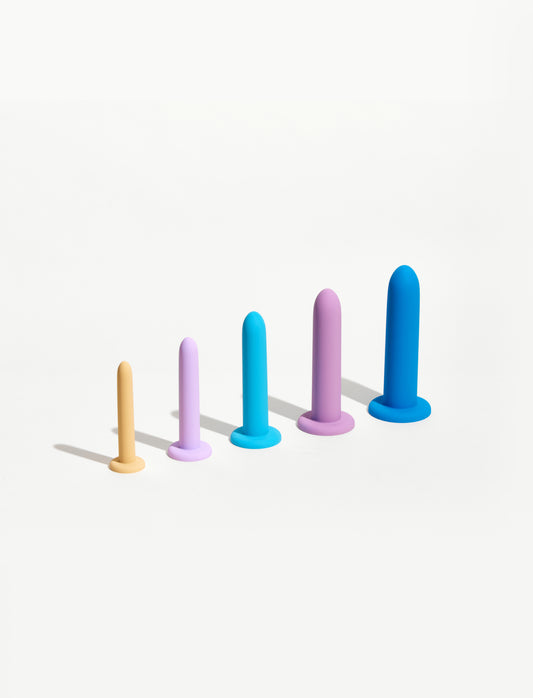
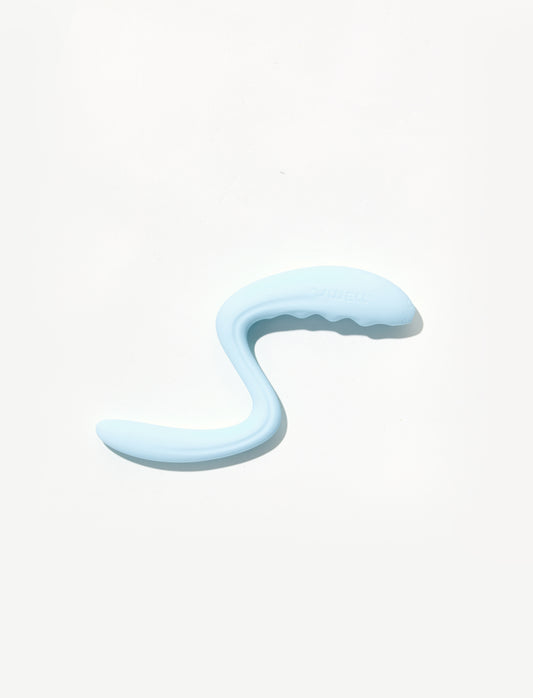
Pelvic Wands & Dilators
- Wands can help release trigger points in the pelvic floor. Dilators can also help release these tight points, and take it a step further and hone in on the mind-body connection to experiencing that increased pressure with ease.
- Pair using your wand or dilator with diaphragmatic breathing and nervous system techniques for best results.
- If you decide to use a dilator or wand, use the code “ANXIOUSPELVIS15” for 15% off your order!
If you experience painful sex, download your free starter guide to less pain and greater
pleasure.
For more support on pelvic health and anxiety, visit AnxiousPelvis.com, subscribe to our newsletter, or follow The Anxious Pelvis on social media:
Tiktok - @anxiouspelvis
Instagram - @anxiouspelvis
Written by Gina Inglese, MS, OTR/L, CCTS-I, CSOT