



Pelvic floor physical therapy (PFPT) is a specialized form of therapy focused on the muscles that support your bladder, bowel, and reproductive organs. When these muscles become weak, tight, or uncoordinated, symptoms such as urinary leakage, pelvic pain, constipation, or painful intercourse can occur. PFPT uses proven techniques to restore strength, mobility, and optimal function.
When You Should See a Pelvic Floor Physical Therapist?
Consider PFPT if you experience:
-
Urinary leakage or urgency
-
Pelvic or abdominal pain
-
Painful intercourse (dyspareunia)
-
Constipation or difficulty emptying
-
Pelvic heaviness or prolapse symptoms
-
Postpartum weakness or core instability
-
Low back or hip pain linked to pelvic dysfunction
These symptoms are commonly treated with PFPT.
What to Expect at Your First Appointment
1. Comprehensive Evaluation
Your therapist assesses posture, breathing, hip mobility, and core function to understand how your pelvic floor works with the rest of your body.
2. Optional Internal or External Exam
A gentle vaginal or rectal exam may be offered—with consent—to assess muscle tone, trigger points, and coordination.
3. Personalized Treatment Plan
Your plan may include manual therapy, mobility work, strengthening exercises, breathing retraining, biofeedback, and home exercises.
4. Ongoing Monitoring
Most people notice gradual improvements within several sessions.
Helpful Tools Specialists May Recommend
Pelvic floor therapists often suggest supportive tools to enhance treatment, such as:
-
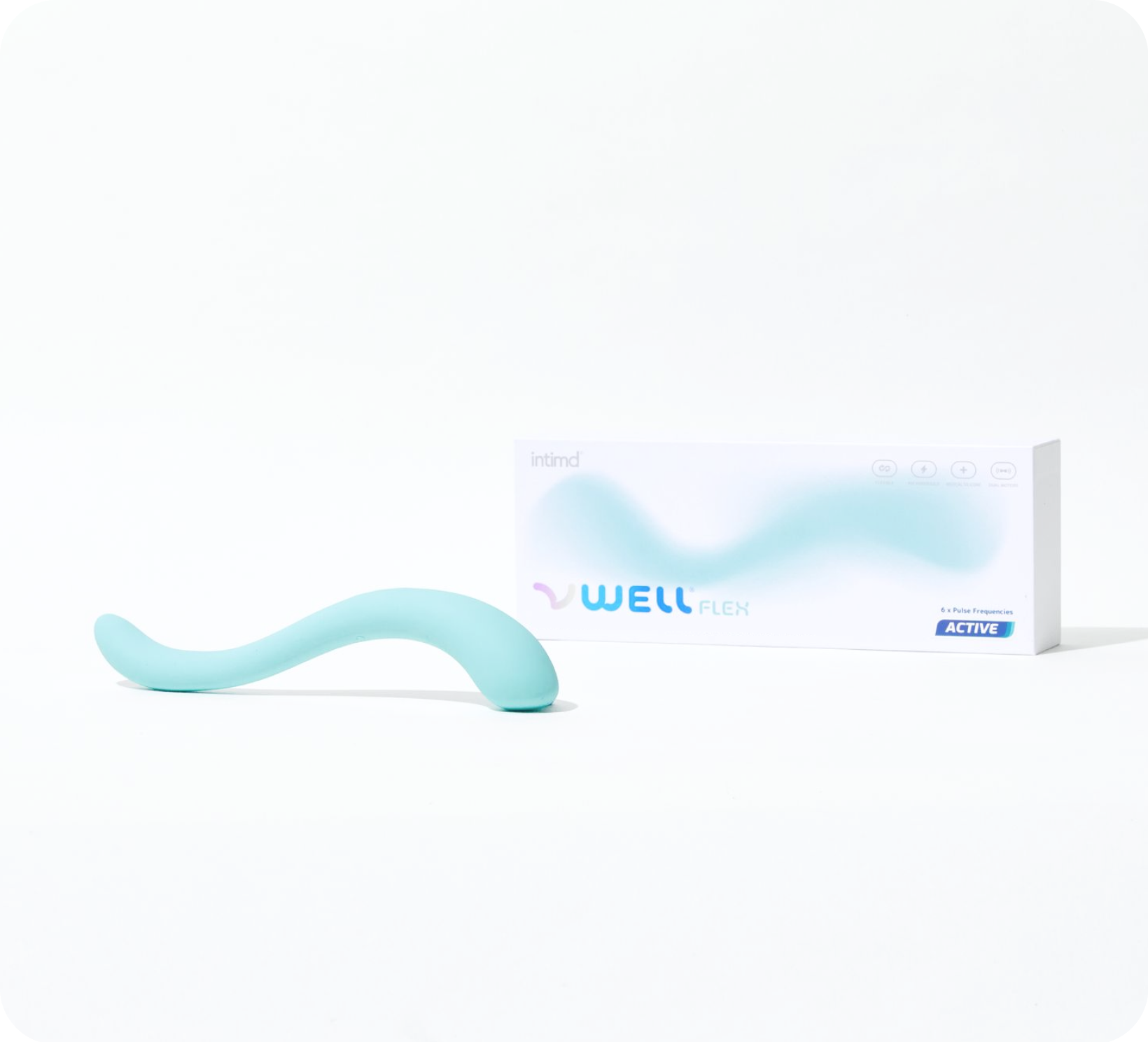
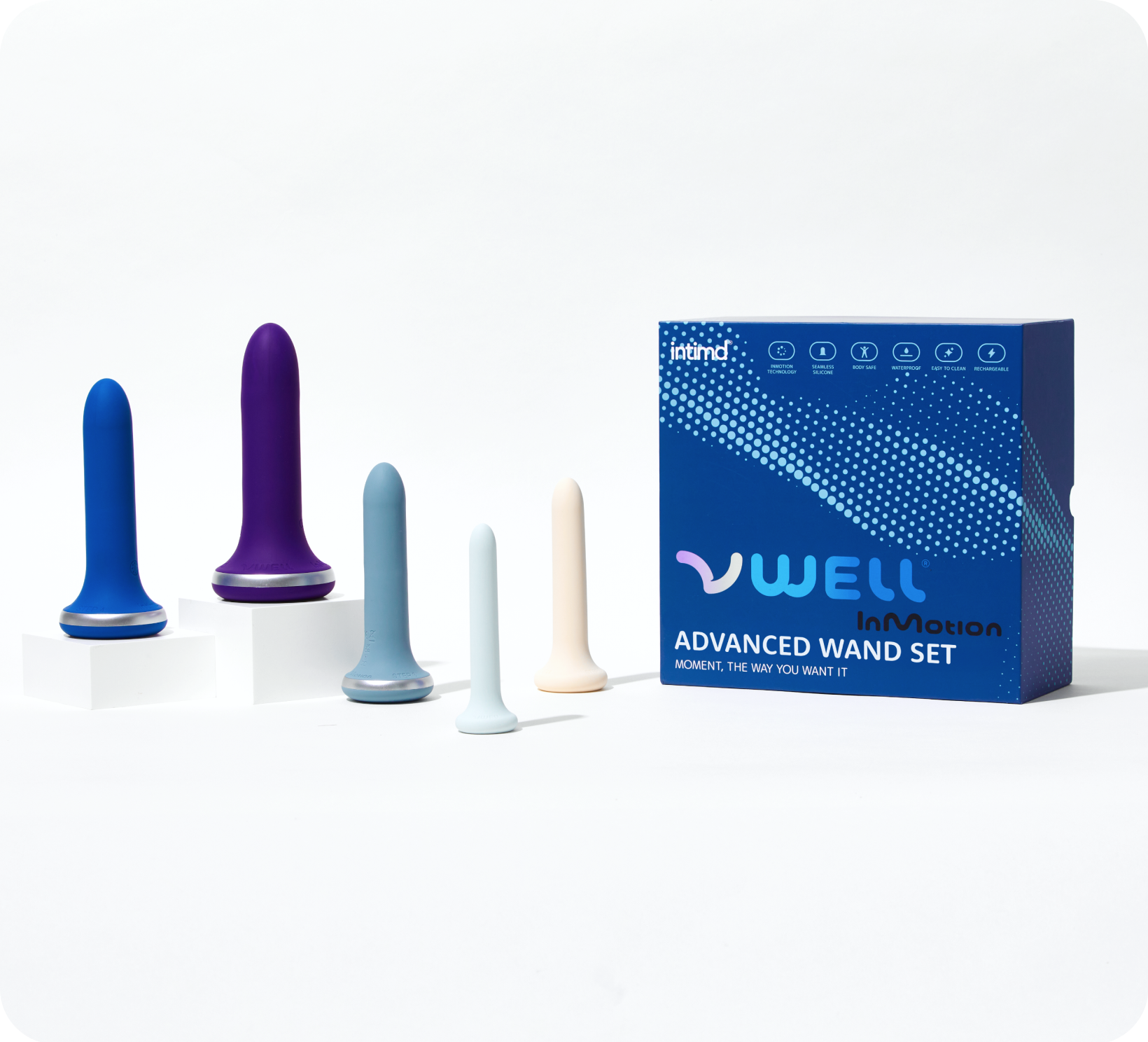
Pelvic wands for gentle internal trigger-point release
-
Dilators or starter wands to help reduce pain with penetration and improve muscle relaxation
-
Biofeedback devices to improve awareness and coordination
-
Perineal or vaginal moisturizers/lubricants to ease discomfort
-
Stability or exercise balls for core-based therapy
-
TENS units for pain relief and muscle relaxation
-
Breathwork devices or apps to improve diaphragmatic breathing
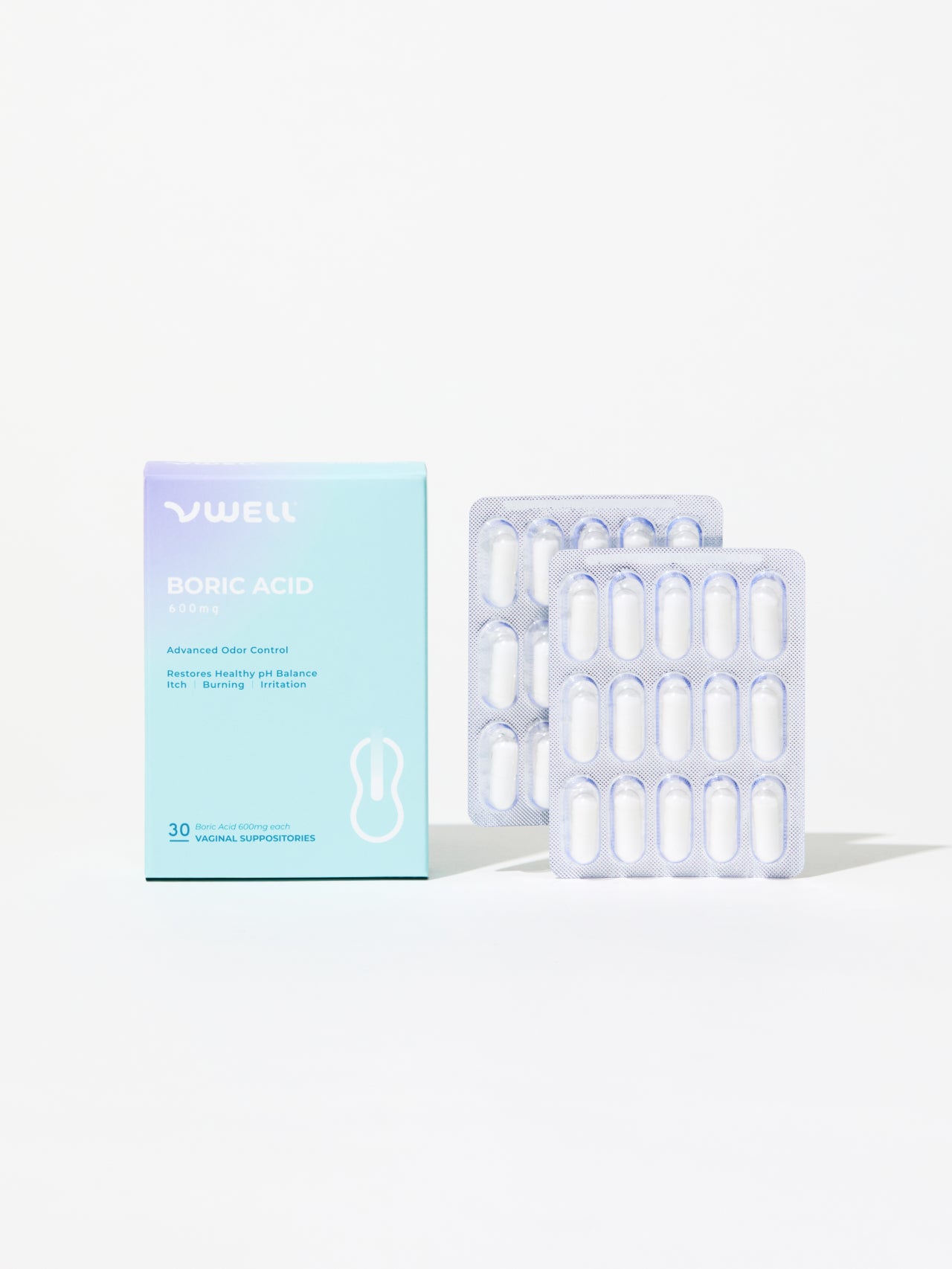
- Boric acid suppositories or vaginal applicators to help with vaginal odor control
These tools are used in conjunction with guided therapy to improve outcomes safely.
How to Locate a Pelvic Health Professional?
You can locate a pelvic health professional in our Pelvic Health Therapist Directory. There are various options in all states, and many are available virtually.
-
Subscribe to our mailing list for exclusive tips and deals and follow VWELL on Tiktok, Instagram, and Youtube to stay up to date on all things pelvic health and wellness.