
When most people hear pelvic floor therapy, they assume it’s only for postpartum recovery or serious pelvic pain. In reality, pelvic floor professionals support people across all ages, genders, and activity levels—and not just when something feels “wrong.”
Whether you’re dealing with symptoms you’ve normalized or you simply want to move, exercise, and live more comfortably, visiting a pelvic floor professional this year can be one of the most proactive health decisions you make.
Below are both preventative and problem-solving reasons to book a visit—even if you think your pelvic floor is perfectly healthy.
1. You Might Have Symptoms You’ve Learned to Ignore
Leaking when you laugh, discomfort during intimacy, pelvic pressure, or chronic tightness are often brushed off as “normal.” They aren’t.
A pelvic floor professional can help identify:
- Bladder or bowel leaks
- Pelvic pain or pressure
- Pain with penetration or exams
- Chronic tightness or tension
Ignoring symptoms doesn’t make them go away—it just makes them quieter.
2. Prevention Is Easier Than Recovery
You don’t wait for a serious injury to stretch or strengthen your body—your pelvic floor deserves the same care. Plan ahead to prevent potential future issues.
Pelvic floor professionals help:
- Prevent prolapse and incontinence
- Reduce injury risk during exercise
- Support long-term core and spinal health
Prevention often requires less time, less effort, and less frustration than rehab.
3. A “Strong” Pelvic Floor Isn’t Always a Healthy One
Many people assume pelvic floor issues only come from weakness—but overactive or tight pelvic floors are just as common.
Signs of tension include:
- Difficulty relaxing or fully emptying the bladder
- Pain during intimacy
- Tailbone, hip, or low-back pain
Pelvic health is about balance, not just strength.
4. Exercise Might Be Making Things Worse (Without You Realizing)
High-impact workouts, heavy lifting, and even yoga can place unexpected strain on the pelvic floor if mechanics aren’t optimized.
A pelvic floor professional can help you:
- Lift safely without bearing down
- Improve breathing patterns
- Modify workouts to protect your core
This is especially important for runners, weightlifters, and fitness enthusiasts.
5. Life Transitions Change Your Pelvic Floor
Even if you’ve never had issues before, life events can shift how your pelvic floor functions.
Common triggers include:
- Pregnancy or postpartum recovery
- Menopause or hormonal changes
- Aging or lifestyle changes
- Surgeries or injuries
Checking in during transitions helps prevent long-term complications.
6. Intimacy Shouldn’t Be Uncomfortable
Pain, tension, or lack of sensation during intimacy is common—but not something you need to accept.
Pelvic floor professionals address:
- Pain with penetration
- Vaginismus or erectile challenges
- Reduced sensation or control
Better pelvic health often leads to greater comfort, confidence, and connection.
7. Your Core Is More Than Abs
The pelvic floor is a foundational part of your core system, working with your diaphragm, abdominals, and back.
When it’s not functioning well, you may notice:
- Poor posture
- Chronic back pain
- Limited stability or balance
Pelvic health care improves how your entire body moves and feels.
8. Pelvic Floor Visits Are Educational, Not Just Clinical
Many people are surprised by how empowering pelvic floor care feels.
You’ll learn:
- How your body actually works
- How to relax or activate the pelvic floor properly
- How to support long-term pelvic health at home
Knowledge alone often leads to meaningful improvements.
9. You Don’t Need a Diagnosis to Benefit
You don’t have to be “broken” to see a pelvic floor professional.
People with no major symptoms often seek care to:
- Optimize movement and performance
- Improve body awareness
- Address subtle discomfort before it worsens
Think of it as maintenance, not repair.
10. Feeling “Fine” Isn’t the Same as Feeling Your Best
Many pelvic floor issues develop slowly. By the time symptoms are obvious, they’ve often been present for years.
A proactive visit can help you:
- Catch issues early
- Feel more confident in your body
- Move, exercise, and live with fewer limitations
Your pelvic floor supports you every day—it deserves attention too.
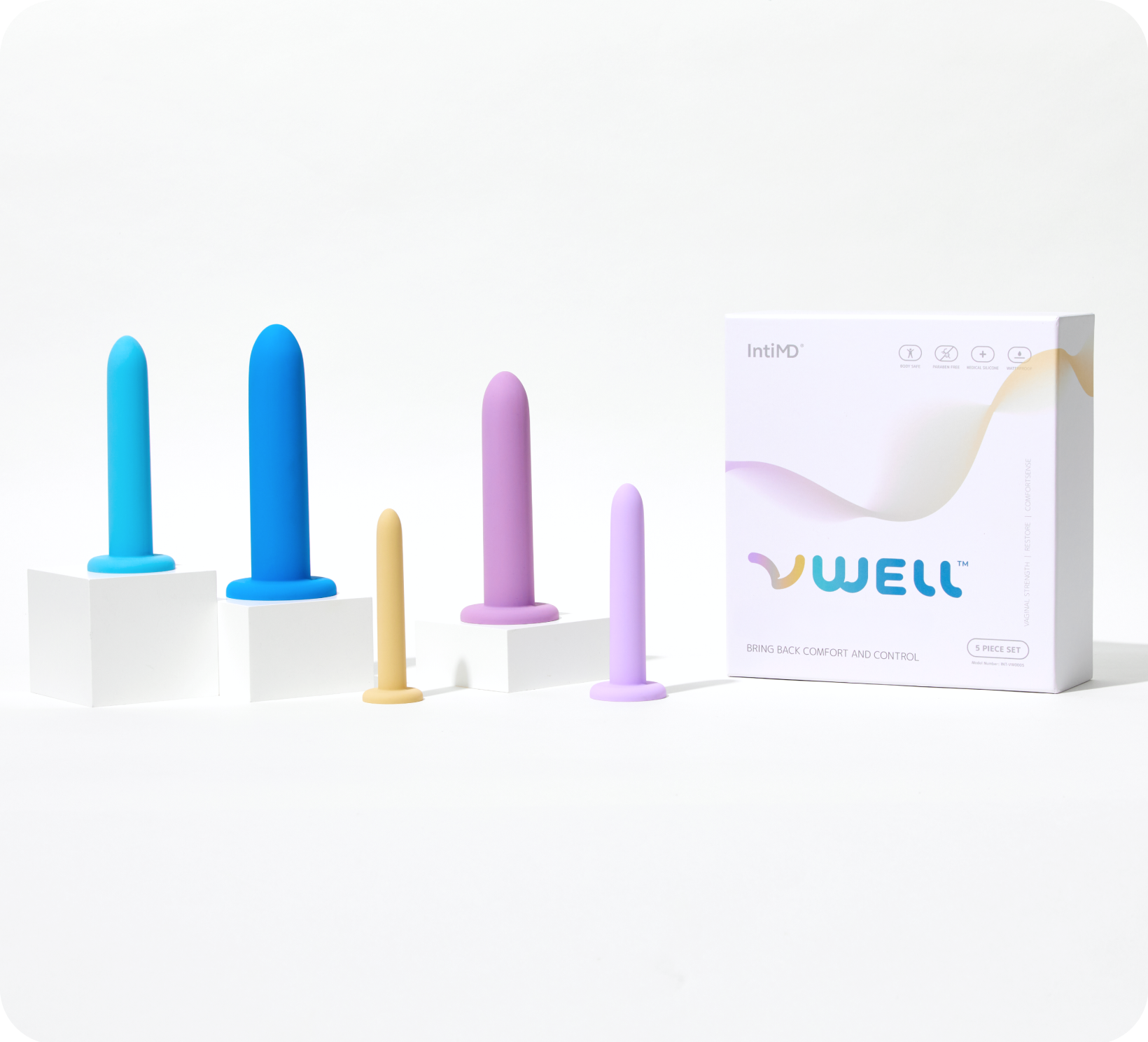
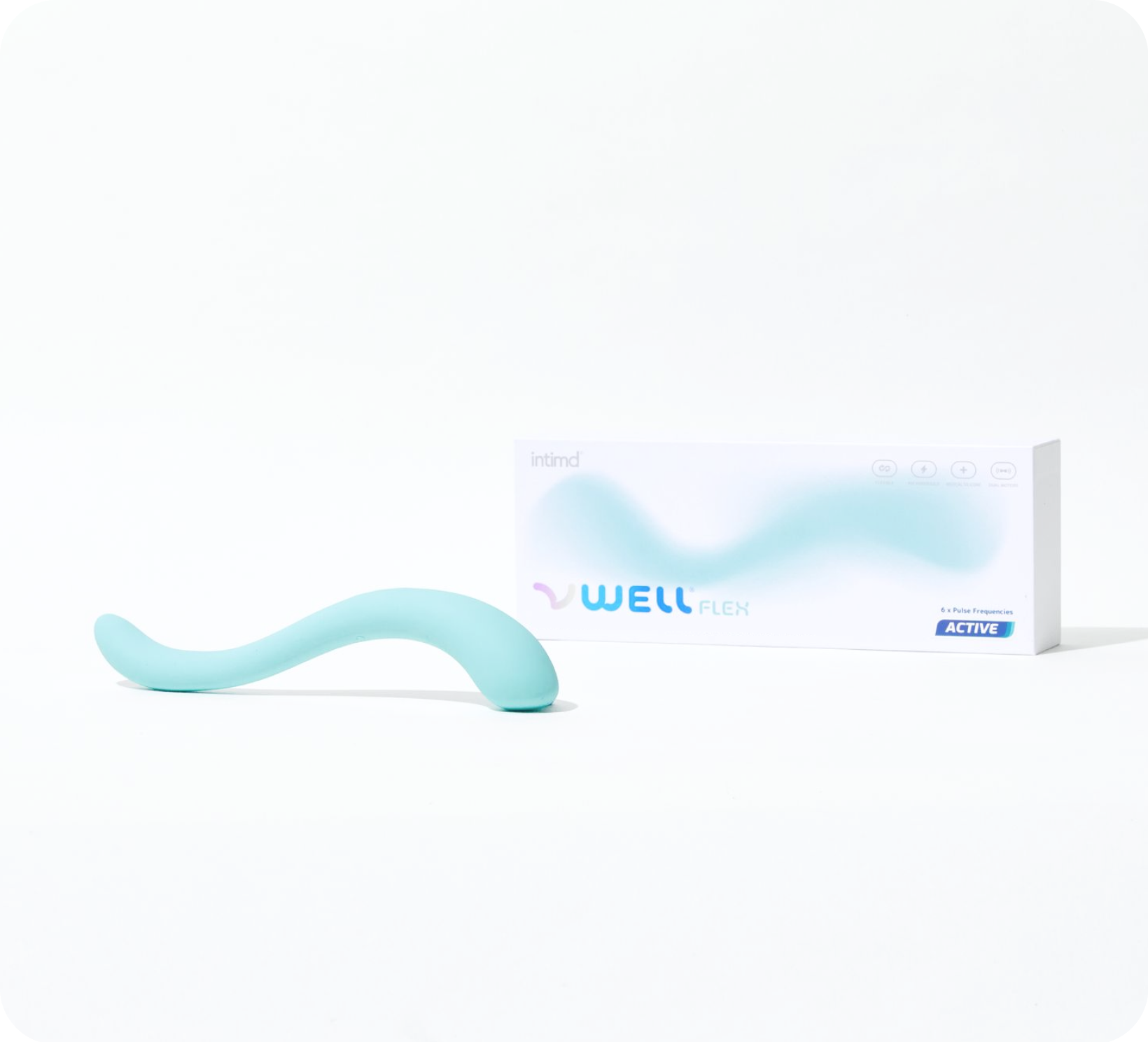
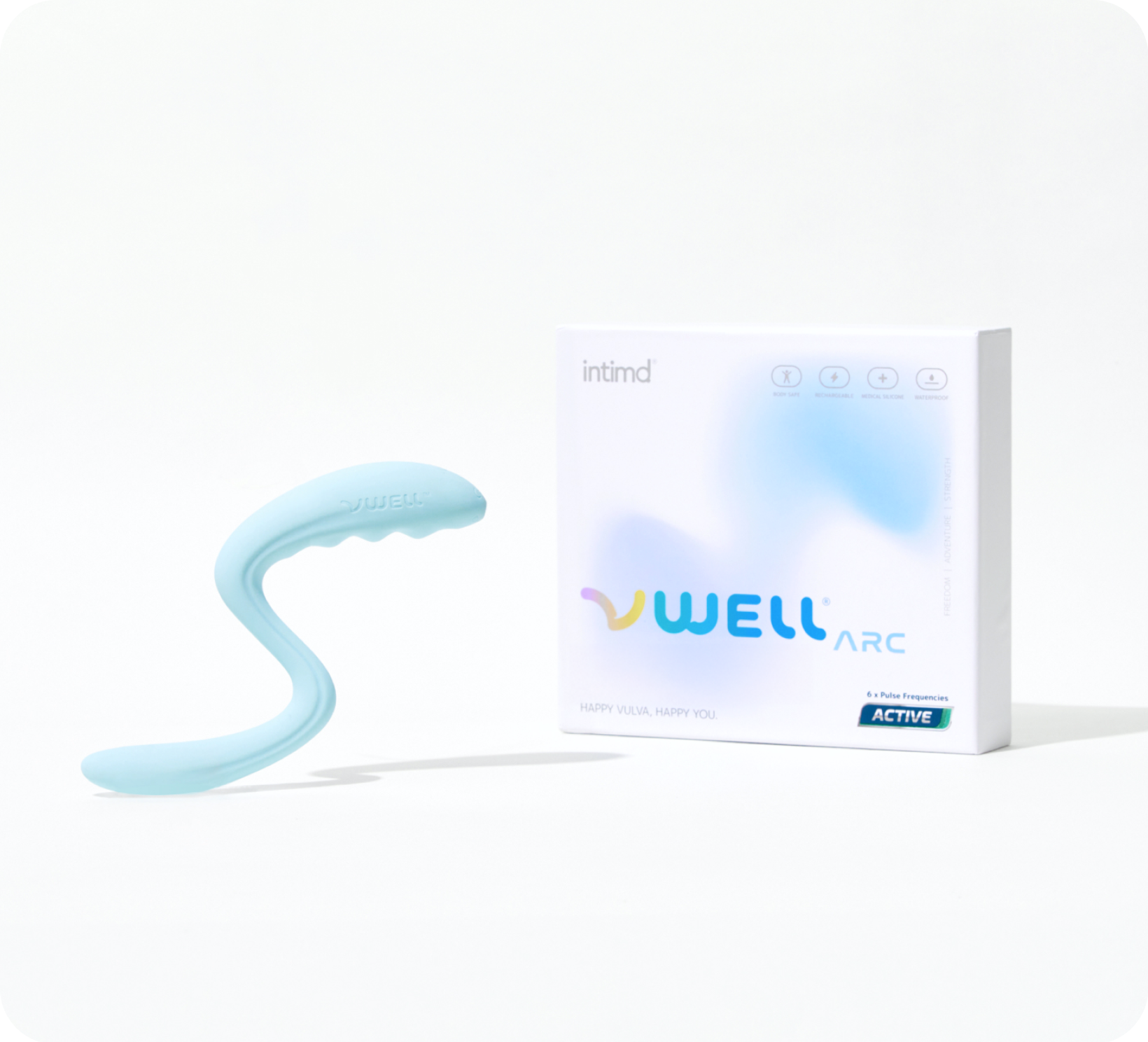
Tools You May Be Guided to Use After Your Appointment
Depending on your assessment, a pelvic floor professional may recommend specific tools to support your progress between visits. These are not one-size-fits-all and are typically introduced with clear guidance.
Examples may include:
- Pelvic wands or soft tools to help release tension and improve awareness
- Beginning wands for graded exposure, relaxation, or comfort with penetration
- Vibration or sensory tools to support muscle coordination and circulation
- Breath-work or posture aids to reinforce proper core engagement
These tools are meant to support professional care, not replace it, and are most effective when used with individualized instruction.
Final Thoughts
Visiting a pelvic floor professional isn’t just for people in pain—it’s for anyone who wants to move better, feel stronger, and protect their long-term health.
Whether you’re managing symptoms or simply investing in prevention, this year could be the perfect time to prioritize pelvic health.
Because feeling “fine” is good—but feeling supported, confident, and in control is even better.
-
How to Locate a Pelvic Health Professional?
You can locate a pelvic health professional in our Pelvic Health Therapist Directory. There are various options in all states, and many are available virtually.
-
Subscribe to our mailing list for exclusive tips and deals and follow VWELL on Tiktok, Instagram, and Youtube to stay up to date on all things pelvic health and wellness.