By Dr. Trista Weimer, DPT | Pelvic Floor Physical Therapist | Enrich Motion PT & Wellness
If you’ve ever leaked a little when you laughed, you’re in very good company. Leaking when you sneeze, pressure during workouts, pain with intimacy, or a lingering postpartum “heaviness” are often shrugged off as things you just “deal with.” But most of the time, these symptoms aren’t random. They’re caused or worsened by small habits you do every day without realizing it.
As a pelvic floor physical therapist, I see women who’ve been told that symptoms are “normal for moms,” or “just part of getting older.” The truth? Your pelvic floor is responsive, adaptable, and incredibly resilient. With the right approach, it can function well at every stage of life.
Below are the five most overlooked mistakes I see in my pelvic health practice, plus the simple fixes you can start today.
1. Holding Your Breath During Everyday Tasks
Many people instinctively hold their breath especially during:
- Lifting kids, laundry, groceries
- Planks, squats, core exercises
- Coughing, sneezing, or bracing for pain
- Bowel movements
Holding your breath is a natural stress response; however, it significantly increases abdominal pressure. When pressure rises with no place to go, it travels downward, directly into the pelvic floor. Tan and others, found a significant association between poor breathing mechanics and increased pelvic floor load. Over time, this can contribute to leakage, pelvic floor heaviness, prolapse symptoms, and low back tension.

✔️ The Fix: Exhale on exertion
✔️ Exhale through pursed lips during the hard part of any movement
✔️ Exhale as you lift, stand up, push, etc.
✔️ For bowel movements: use open throat breathing and exhale to avoid straining
This simple breath strategy reduces pressure on the pelvic floor, encourages reflexive core engagement, and improves stability.
2. Poor Toileting Habits
Most people have never been taught proper toileting posture. “Hovering” over the toilet or pushing to “speed things up” can strain the pelvic floor, irritate the bladder, and even worsen prolapse symptoms. These poor habits make it harder for the pelvic floor to soften and lengthen.
Common habits that cause trouble:
- Hovering
- Straining or holding breath
- Rushing
- Sitting with knees below hips
- Slumping

✔️ The Fix: Create a Relaxed, Supported Posture
To help the pelvic floor relax naturally by using a squat-optimized posture. This significantly improves ease of bowel emptying and reduces straining according to Rahgoshay and others.
✔️ Sit fully on the toilet
✔️ Have feet supported on a stool (knees above hips)
✔️ Lean slightly forward with a neutral spine
✔️ Relax and exhale to release instead of pushing
3. Doing Kegels “Just Because”
Kegels are the most common pelvic floor recommendation but not everyone should do them. In fact, if your pelvic floor is too tight or uncoordinated, Kegels may increase pain, urgency, constipation, or leaking.
Kegels are not bad, they’re just not the starting point for everyone. Many women with pelvic pain or urinary symptoms have overactivity rather than weakness. The 2025 randomized controlled trial by Xu and others, provides strong evidence that pelvic floor muscle hypertonia responds best to a comprehensive approach combining lifestyle modification, electrical stimulation, biofeedback, and myofascial manipulation, rather than traditional strengthening exercises such as Kegels.

The pelvic floor must:
✔️ Relax
✔️ Contract
✔️ Lengthen
✔️ Coordinate with your breath
✔️ The Fix: Know Your Baseline
Ask yourself:
- Do my symptoms come from weakness or tightness?
- Do I struggle to relax?
- Do I clench my abs or pelvic floor all day?
For many women, the first step is actually learning to relax the pelvic floor. This makes contractions stronger and more effective later. If your pelvic floor is tight, your first step is relaxation and coordination work, not strengthening.
If you're unsure, a pelvic PT assessment is the gold standard to help identify whether you need strengthening, stretch-based work, down training, or coordination exercises.
4. Ignoring Symptoms Because “It’s Normal”
The biggest myth I see: leaking, pressure, pain, or abdominal separation is “normal after kids.” While common, it is not something you need to accept and are often early signs that your pelvic floor needs support.
Ignoring leaks, pressure, heaviness, or pain can train your bladder/bowel in unhelpful ways and cause worsening symptoms over time.

Symptoms to pay attention to:
- Leaking (urine, gas, or stool)
- Pain with intimacy
- Pelvic pressure or bulging
- Difficulty emptying bladder or bowels
- Doming along the midline
- Low back or SI joint pain
✔️ The Fix: Listen & Respond Appropriately
✔️ Honor bowel urges by not delaying.
✔️ Use urge-suppression strategies for bladder if needed.
✔️ Seek help early.
Small symptoms are easier and faster to resolve when addressed early. Pelvic floor dysfunction is incredibly treatable. Many women see dramatic improvement with the right combination of breath-work, mobility, nervous system training, and progressive strengthening. According to Wallace and others, early pelvic floor intervention significantly improves outcomes and prevents progression of prolapse and urinary symptoms.
5. Over-Gripping the Core or “Sucking In” All Day
Many women are taught to “stand tall,” “pull your stomach in,” or “keep your abs tight.” But chronic core gripping does the opposite of what we want. Tayashiki and others. found that abdominal bracing substantially increases intra-abdominal pressure, mechanically transmitting force to the pelvic floor structures preventing the pelvic floor from moving naturally. This in turn can contribute to pelvic floor tightness or overactivity.

Signs of an overactive pelvic floor:
- Pelvic pain
- Pain with intimacy
- Urinary urgency
- Difficulty initiating urination
- Constipation
- Leaking despite “doing Kegels”
✔ The Fix: Find core relaxation
Practice 360° breathing where the ribs expand outward and the lower belly softens. This helps reset pelvic floor tension and improves coordination. Your core should be responsive, not held tight like a plank you’re doing all day.
Why These “Small Fixes” Matter
Your pelvic floor doesn’t need you to work harder, it needs you to work smarter. Small changes in daily habits can dramatically reduce symptoms and protect long-term pelvic floor health. You don’t need intense exercises or complicated routines. You need smart strategy and body awareness.
✔️ Better breath patterns
✔️ Better toilet posture
✔️ Correct starting point (relaxation vs strength)
✔️ Early attention to symptoms
✔️ Better pressure control during daily life
These are the foundations that improve pelvic health long-term… and many women have never been taught them.
You’re not behind.
You’re not broken.
You’re simply learning what your body has needed all along.
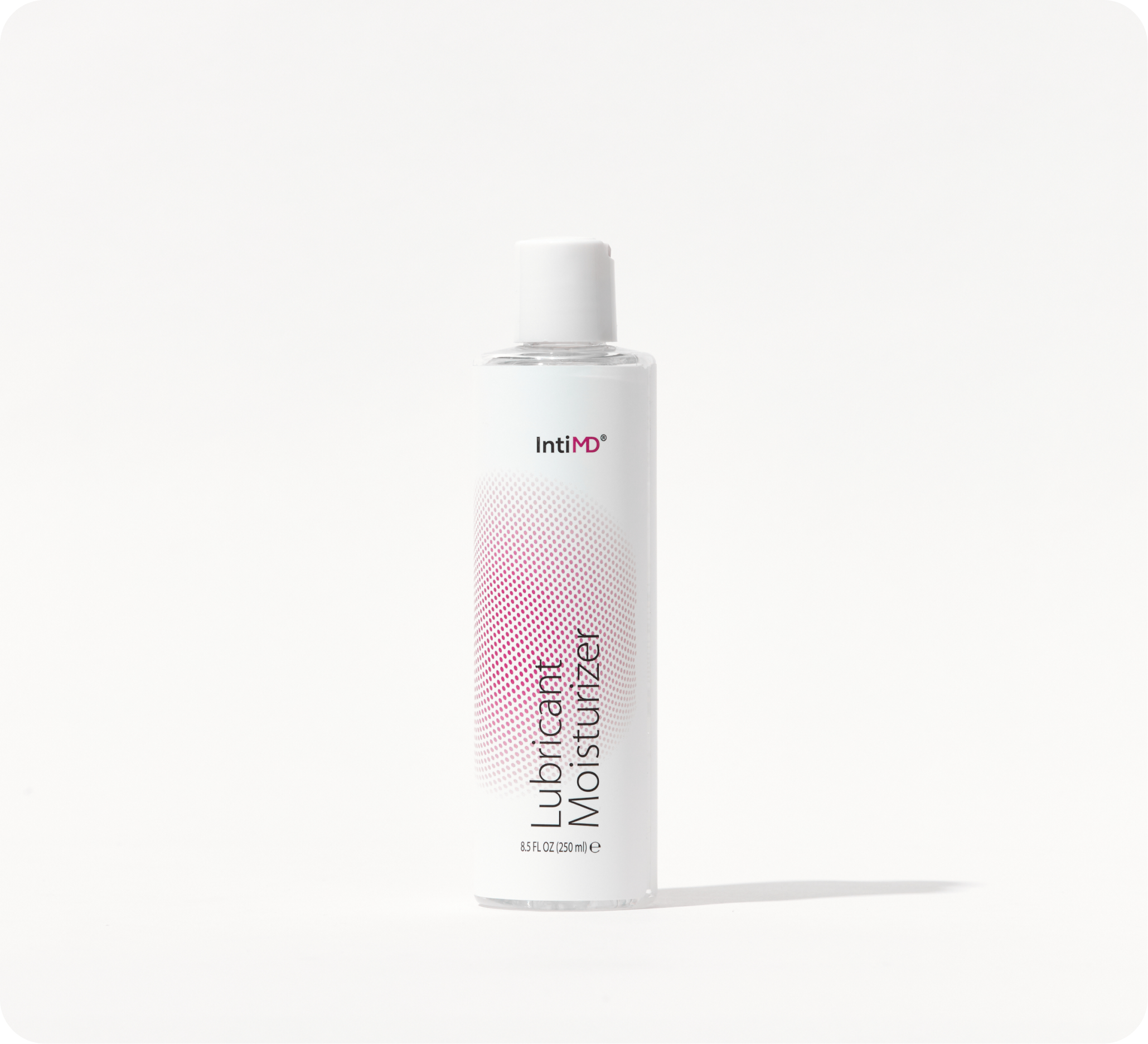
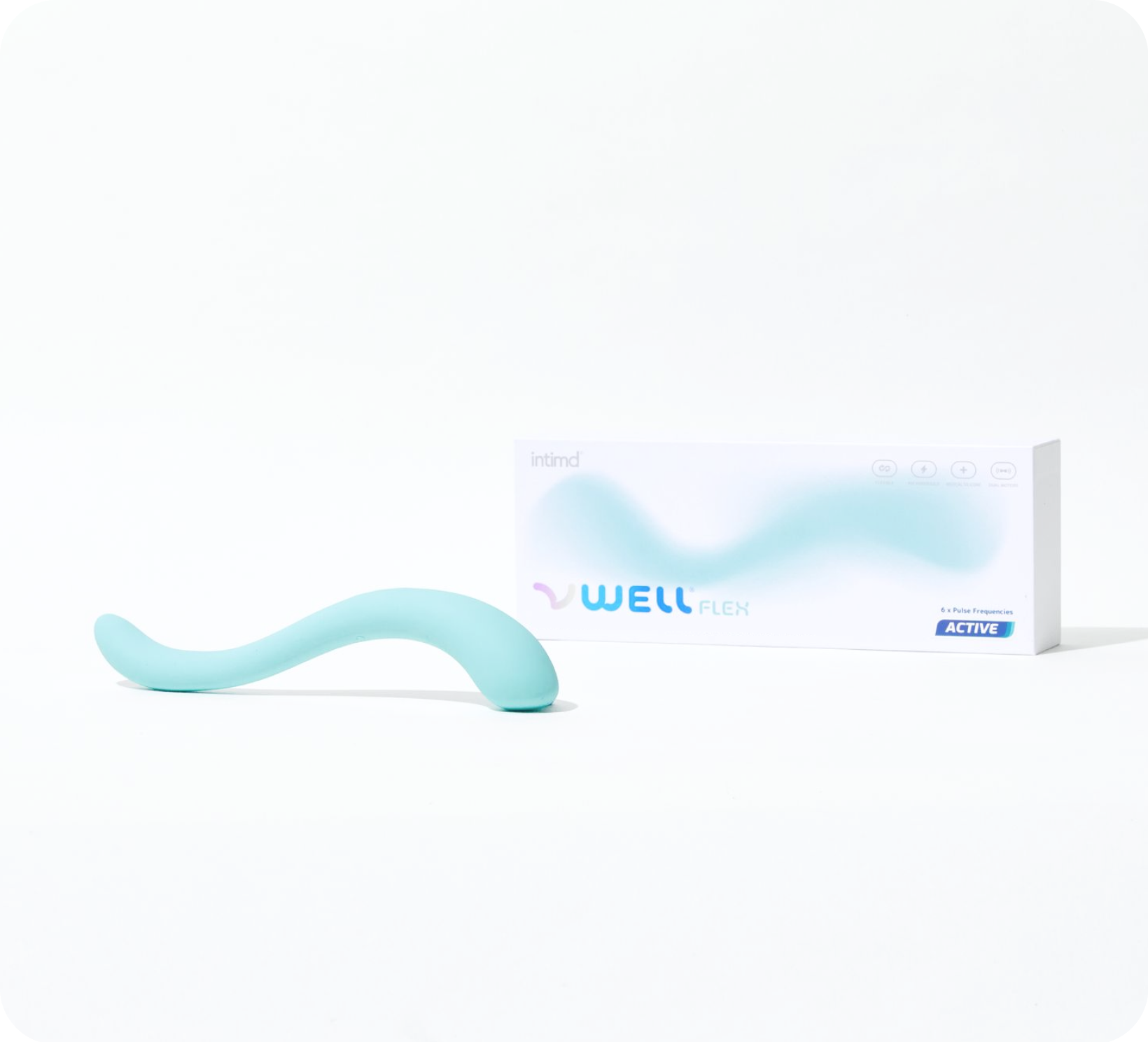
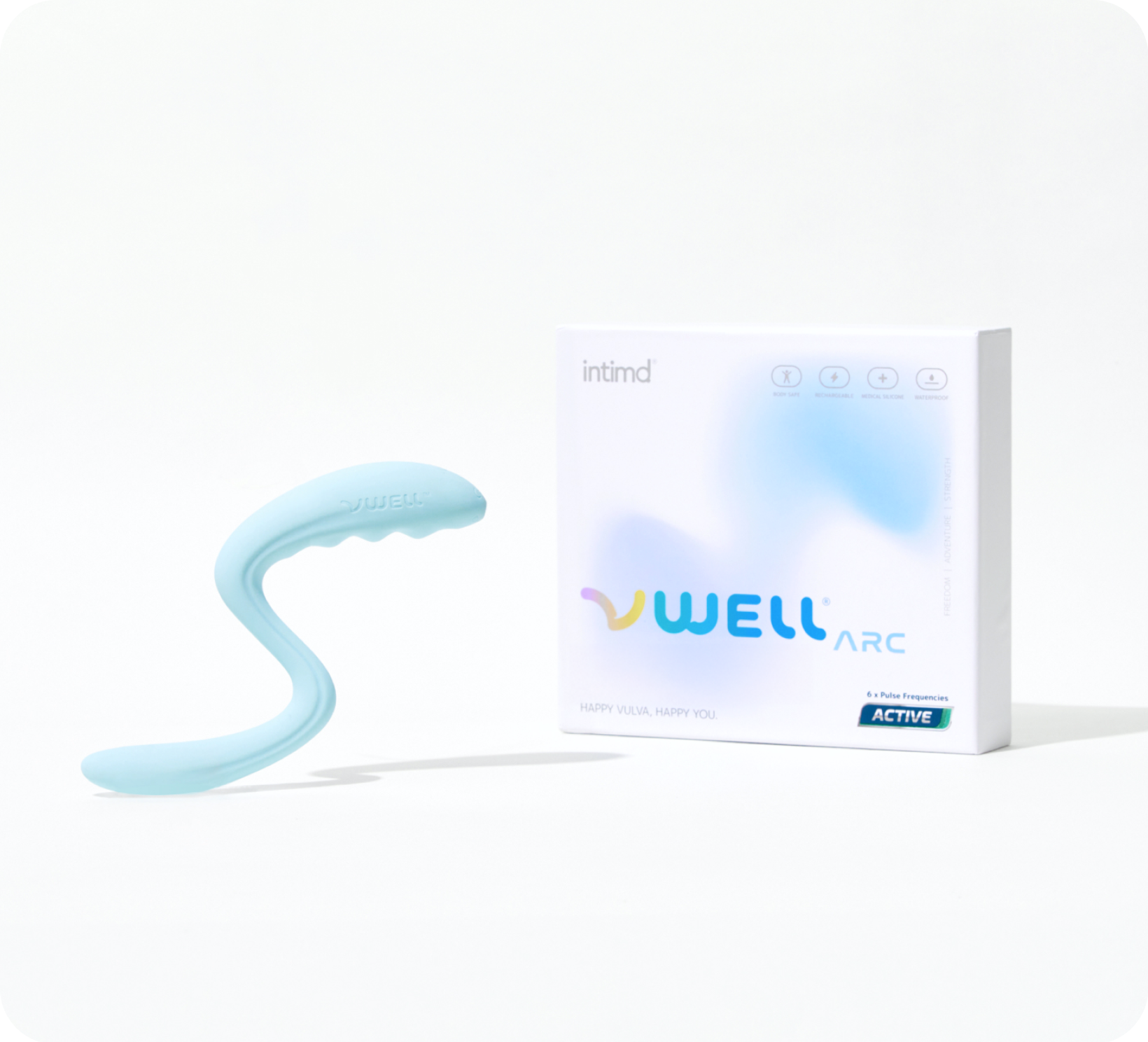
How VWELL Products Pair with Pelvic Floor Care?Looking for extra support? Certain pelvic wellness tools can complement the strategies above and help you feel more comfortable:
- Vaginal moisturizers: Support hydration and reduce irritation during relaxation work.
- Pelvic wands: Helpful for pelvic floor tension or trigger point release when taught and guided by a pelvic floor physical therapist.
Tools are most effective when paired with personalized guidance and daily habits like the ones outlined above. If you’re considering adding VWELL products to your routine, you can use code TRISTAWEIMER15 for 15% off your order.
Want Personalized Help?
If you're unsure whether your pelvic floor is weak, tight, uncoordinated, or simply overwhelmed, that’s exactly what I help women determine every day. If you want personalized guidance, I offer both virtual and in-person pelvic floor consultations through Enrich Motion Physical Therapy & Wellness.You deserve support that meets you where you are and helps you feel strong, confident, and in control of your pelvic health.
Dr. Trista Weimer, DPT
Board-Certified Orthopedic Clinical Specialist (OCS)
CAPP-Pelvic Certified
Certified Pregnancy and Postpartum Exercise Specialist (PCES)
-
👉 Learn more or schedule:
📲 Click Below to Follow for More Tips: