Preparing for your first (or second or third or fourth) vaginal child birth can feel scary and overwhelming. How painful is it really? Will I tear? What’s the right way to push? What if I don’t want to push on my back?
While there’s no guarantee that your birth experience will look exactly like what you’ve outlined in your birth plan, prenatal pelvic floor therapy can help prepare your mind and body for the experience and empower you to make the best decisions for you and baby.
Why is pelvic floor therapy helpful before birth if I’m not experiencing any problems?
A pelvic floor therapist specializing in perinatal pelvic health can evaluate the mobility of your hips and pelvis which are essential in creating space for baby to move through the birth canal. Your pelvic floor therapist can also assess your pelvic floor muscles with either an internal and/or external assessment. Often we see increased tension in the pelvic floor during pregnancy because the muscles are working harder to support the weight of your growing baby. While this is an important and normal adaptation of the muscles during pregnancy, as your due date approaches, it’s important that the pelvic floor muscles also know how to effectively lengthen and get out of the way.
Perineal Massage
One of the things that I get asked about frequently as a pelvic floor physical therapist is perineal massage. Perineal massage is a technique to stretch the soft tissues of the pelvic floor (muscles, skin, fascia) before birth to reduce your risk of tearing. Perineal massage has some evidence that it reduces the risk of high grade tears (grade 3 and 4) in first time vaginal births. Perineal massage can also teach your nervous system to be used to touch, stretch, and discomfort in this intimate area of your body so that your muscles are less likely to guard/tighten during child birth when you feel these same sensations.
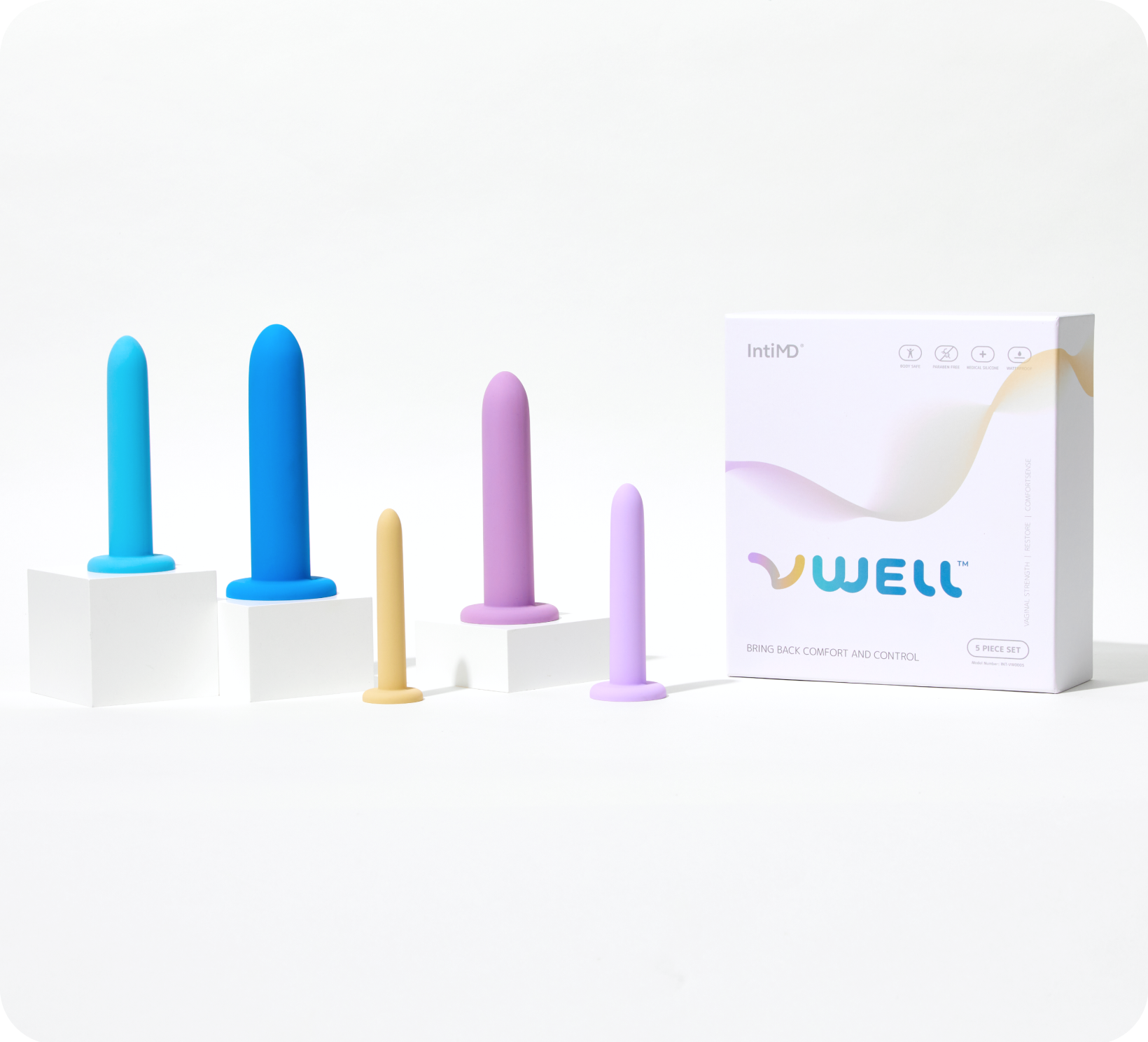
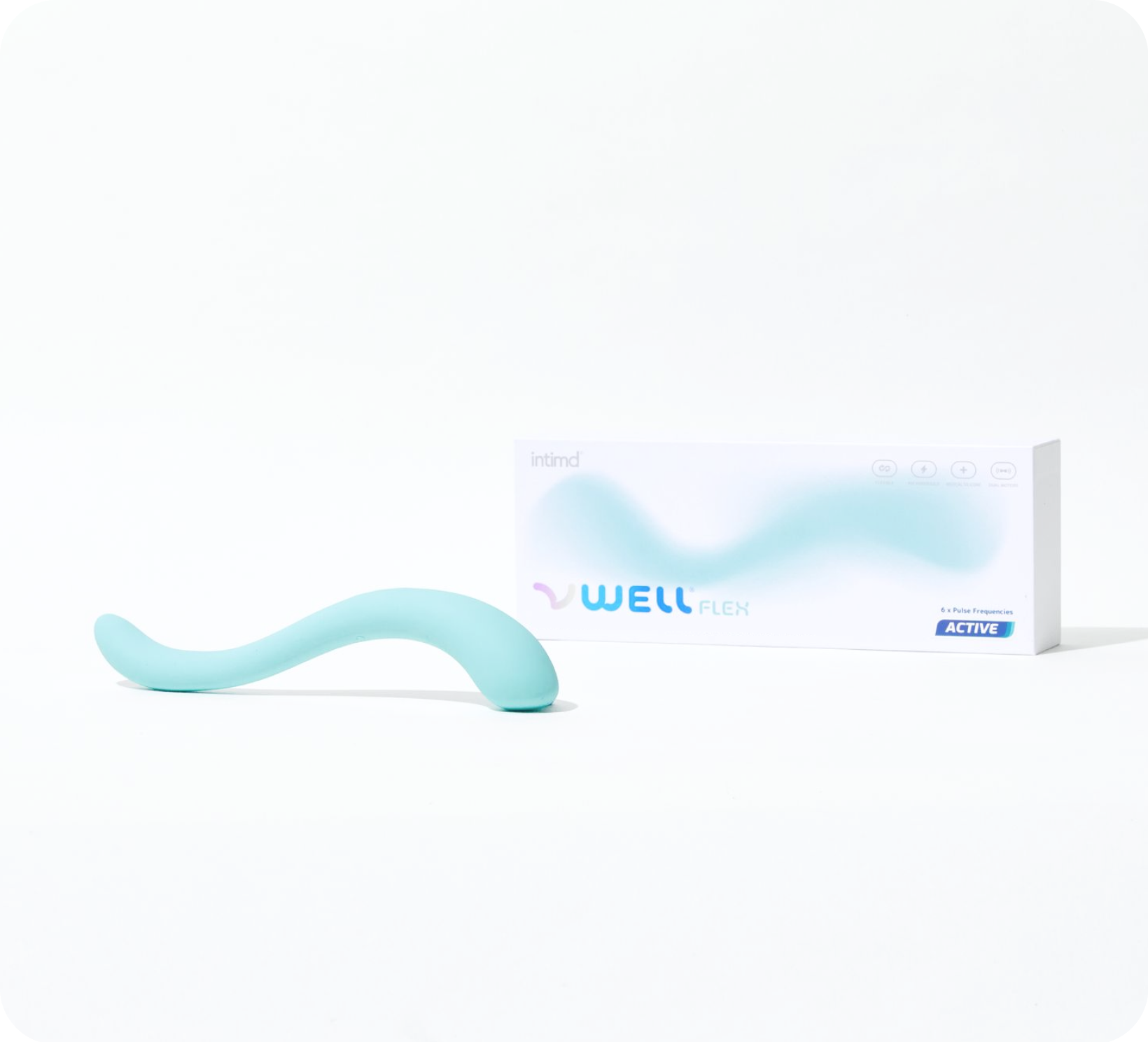
Some women prefer to have their partner assist them in perineal massage. For women, performing perineal massage themselves can help them become more familiar and comfortable with this part of their body. For these individuals, I recommend a pelvic wand like this one from VWELL(Use code EMMALONG15 for 15% off). The wand makes it easier to reach the perineal area without your belly getting in the way. I recommend spending 3-5 minutes on perineal massage 2-4 times per week starting around 32-34 weeks for most of my clients with low-risk pregnancies.
Push Prep
We’ve all seen movies and TV shows portrayal of childbirth where women are on their backs pushing with their legs pulled up towards their arm pits – and while this is common, it doesn’t make the most sense if we think about of the anatomy of the pelvis. When you’re laying on your back, your vagina (the birth canal) is actually angled upwards, so you have to push “uphill” to get baby out. This position also limits the movement of the sacrum and tailbone, which means other tissues have to stretch or lengthen more to create space for baby to exit.
Your pelvic floor therapist can also instruct you on effective pushing strategies and positions and give you real-time feedback on what positions and breathing strategies are helping you the most. There’s no one “right” position to labor or push in, but some positions might help your pelvic floor relax more easily and can use gravity to assist your baby’s movement through the birth canal. Your pelvic floor therapist can help you decide what options work best with your anatomy and your birth plan.
—
Medical Disclaimer: This blog is for educational purposes only and is not intended to diagnose or treat medical conditions. Please consult with a qualified healthcare provider before beginning any new treatment or exercise program.
Written by:
Dr. Emma Long, PT, DPT licensed pelvic floor physical therapist and founder of Terra Pelvic Health located in Denver, Colorado that specializes in women’s pelvic health, particularly prenatal and postpartum care.
Connect with me:
Visit: TerraPelvicHealth.com
Instagram: @TerraPelvicHealth
Email: hello@terrapelvichealth.com