Written by Dr. Michelle Wall, PT, DPT, owner of Moms in Motion PT, a concierge pelvic floor physical therapy practice serving women in the Twin Cities and virtually nationwide through pelvic health coaching.
Introduction
Have you ever noticed that your bladder leaks more the week before your period? Or that intercourse feels different depending on where you are in your cycle? You're not imagining it. Hormones influence much more than just your mood. They also affect your muscles, connective tissue, pain sensitivity, lubrication, bowel function, and pelvic floor. Understanding what's happening during each phase of your cycle can help you work with your body instead of feeling frustrated or like your body is broken.
Your Pelvic Floor Changes Because Your Hormones Change
Your hormones shift quite dramatically throughout your menstrual cycle, and people often demonize hormones like they're the enemy. But hormones are helpful and necessary for a woman's body to function properly. Understanding what happens during each phase of your menstrual cycle can be key to understanding the changes your body goes through. The two main hormones we'll discuss are estrogen and progesterone.
Estrogen helps support tissue health, blood flow, collagen production, and the prevention of collagen breakdown. Estrogen spikes right before ovulation, then falls rapidly, and then increases again throughout the luteal phase. Progesterone affects the health of smooth muscle, aids in digestion and nutrient absorption, and helps with overall fluid balance. Progesterone stays low throughout menstruation, starts rising slightly before ovulation, continues to rise to its peak in the middle of the luteal phase, and then begins falling at the end of the luteal phase.
The relationship between estrogen and progesterone is a little complicated, but we'll keep things as simple as possible for the purpose of this article! Both of these sex hormones affect ligaments, connective tissue, nerves, and muscles—not just your reproductive organs. Your pelvic floor responds to these hormonal changes alongside the rest of your body rather than staying the same all month long. So it makes sense that you may experience different symptoms at different points in your cycle.
Phase 1: Menstruation (Your Period)
Day 1 marks the start of the menstruation phase of your cycle and is the first day you begin bleeding. During this phase, you may experience cramping, pelvic heaviness, pelvic floor guarding (tension), lower back pain, increased bowel urgency, pain with bowel movements, painful intercourse, fatigue, and changes in bladder control. Some women experience their driest week during menstruation, while others experience their leakiest week—it really depends on the individual.
A few things that can help relieve these symptoms include gentle movement, heating pads, diaphragmatic breathing, staying hydrated, pelvic floor relaxation exercises, and eating enough fiber to help keep your bowels moving more easily.
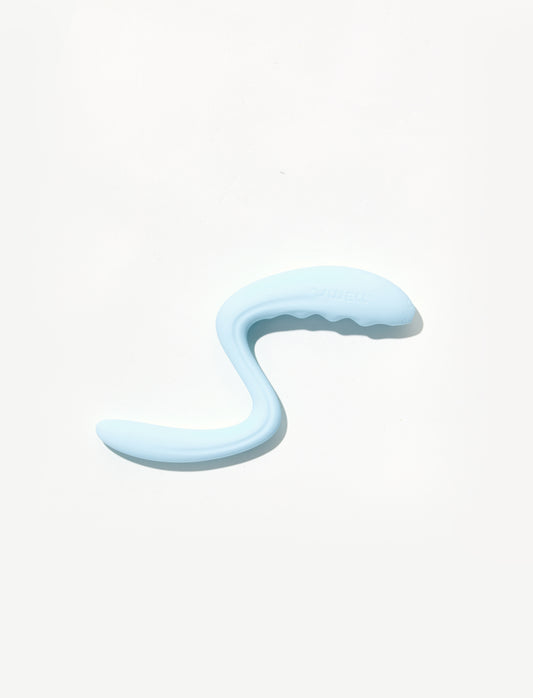
If you're experiencing pelvic floor tension or pain, using a pelvic wand may be a helpful tool. VWELL offers several pelvic wand options made with medical-grade silicone. Working with a pelvic floor therapist can help you learn how to safely release trigger points and feel comfortable using a wand. At Moms in Motion PT, teaching women how to safely use tools like pelvic wands is something we regularly incorporate into individualized treatment plans when they're appropriate.
Phase 2: Follicular Phase (After Your Period)
After your period ends, you enter the follicular phase of your cycle. This is when estrogen begins to rise, along with several other hormones.
Many women feel their best during this phase. You may notice more energy, better workouts, less pain, better bladder control, and increased comfort during intercourse.
This is a great time to progress your strength training, participate in higher-impact exercise like HIIT or running if it feels good, and continue working on pelvic floor coordination.

Phase 3: Ovulation
The next phase is ovulation. During this time, estrogen peaks, cervical fluid increases, your ligaments often feel slightly more lax, and you may experience a mild increase in pelvic pressure.
Some women experience ovulation pain, but it usually lasts for only a short period of time. Some athletes also notice changes in their running mechanics, hip discomfort, or increased
pelvic heaviness around ovulation. Similar to menstruation, some women experience more bladder leakage during ovulation while others experience less.
In my experience treating women at Moms in Motion PT, more women report vaginal dryness during ovulation and increased bladder leakage during menstruation, although there's a wide range of how women experience symptoms throughout their cycles. If things are feeling a little "off," listen to your body and modify your exercise if needed. If you're feeling good, keep exercising!
Phase 4: Luteal Phase (The Week Before Your Period)
Many women notice the most symptoms during the luteal phase. During this phase, both estrogen and progesterone rise and then fall. You may experience bloating, constipation, pelvic pressure, increased urinary urgency, painful intercourse, vaginal dryness, pelvic floor tension, and increased PMS (premenstrual syndrome) symptoms.
Constipation is one of the most common symptoms, and much of it has to do with the rise in progesterone. Progesterone decreases gut motility (I mentioned earlier that this is helpful for nutrient absorption, but when things slow down too much, it can lead to bloating, discomfort, and constipation). Excess stool sitting in the rectum increases pressure on the pelvic floor and is a common—but often overlooked—cause of pelvic floor symptoms. Constipation is one of the most common contributors to pelvic floor symptoms that I address with patients at Moms in Motion PT, and it's often a missing piece that many women haven't considered.

Two of the most helpful ways to manage constipation are making sure you're getting enough fiber and drinking enough fluids. Most women should strive for about 25 grams of fiber each day. Increase your fiber slowly because adding too much too quickly can cause bloating and abdominal discomfort.
Hydration is also key. As stool moves through your digestive tract, your intestines absorb water from it. Staying adequately hydrated helps your stool maintain a better consistency instead of becoming large, dry, and difficult to pass.
Other things that can help during the luteal phase include walking and breathing exercises. If you experience vaginal dryness, a quality lubricant or vaginal moisturizer, such as VWELL's Personal Lubricant Moisturizer, may help improve comfort during daily activities and especially during intimacy. Hormone fluctuations often affect vaginal moisture during this phase because estrogen falls, reducing natural lubrication and causing the vaginal walls to become thinner and less elastic.
When Changes Are Normal—and When They're Not
Mild symptom fluctuations are normal, but the key word is mild. You shouldn't settle for symptoms that disrupt your daily activities or cause you to rely on medication just to get through the month.
Occasional pelvic heaviness isn't necessarily a red flag, but if it lingers for more than a day or two during your period, it's worth reaching out to a pelvic floor therapist for an evaluation.
Symptoms that warrant follow-up include painful intercourse, any amount of bladder leakage, persistent pelvic pressure, moderate to severe constipation, or symptoms that continue to worsen over time.
Hormones play a huge role in pelvic health, and several conditions become more symptomatic as hormones fluctuate throughout the menstrual cycle. Endometriosis, interstitial cystitis, polyendocrine metabolic ovarian syndrome (PMOS, formerly PCOS), and adenomyosis are a few common conditions that can flare pelvic floor symptoms and may be a missing piece of the puzzle if your symptoms seem to follow your cycle.
Don't accept these symptoms as normal. Reach out to a pelvic floor therapist, a sexual medicine specialist, or another qualified healthcare provider for recommendations. One of the biggest goals at Moms in Motion PT is helping women understand what's normal, what's common, and what can actually improve with the right treatment and education.
What You Can Do Throughout Your Cycle
If you resonated with anything you read above, here are a few practical next steps:
- Track your symptoms alongside your cycle. There are so many apps available now that make it easy to identify patterns.
- Stay hydrated. Your urine should be light yellow to clear.
- Address constipation early. Don't let it become a chronic problem, and if it already has, take steps to reverse it.
- Keep exercising and modify when needed. It's okay not to feel 100% every day—just keep showing up and do what your body is capable of that day.
- Learn how to breathe deeply and use your diaphragm.
- Don't settle for leaking or pain as "just hormones."
- See a pelvic floor therapist if your symptoms interfere with your daily life.
Your menstrual cycle isn't just affecting your uterus—it's influencing your entire pelvic floor. By understanding these natural changes, you can make informed choices about movement, intimacy, and self-care while recognizing when it's time to seek additional support.
About the Author
I'm Dr. Michelle Wall, a pelvic floor physical therapist and the owner of Moms in Motion PT, a concierge pelvic health practice serving women throughout the Twin Cities. We provide one-on-one, evidence-based care for women during pregnancy, postpartum, and every stage beyond, helping them overcome pelvic pain, bladder leakage, prolapse symptoms, painful intercourse, core dysfunction, and more.

If you're local to the Twin Cities, we'd love to work with you in person through our mobile pelvic floor therapy practice, where we bring expert care directly to your home.
Not local? You can still work with us through our Virtual Pelvic Coaching Program. This virtual program is designed to educate, support, and empower women with evidence-informed guidance on pelvic health, pregnancy, postpartum recovery, exercise, core function, bladder and bowel habits, birth preparation, healthy movement, and lifestyle habits so you can feel more confident in your body.
Learn more at momsinmotionpt.com or connect with us on Instagram at @moms.in.motion.pt, where we share practical pelvic health education.