If you’ve ever walked out of a doctor’s office feeling brushed off or told that severe period pain is just something you have to live with, a recent episode of Scrubs may have hit very close to home.
In Season 2, Episode 3 ("My Case Study") of its revival series, the beloved medical comedy-drama spotlights a chronic condition that impacts roughly 1 in 10 women yet rarely gets meaningful primetime airtime: endometriosis.
Seven Years of Unanswered Chronic Pain
The Scrubs endometriosis storyline centers on a patient who has spent seven exhausting years dealing with chronic, unexplained pain. Like so many people navigating women's healthcare in the real world, she saw doctor after doctor looking for relief, only to be told repeatedly that debilitating pain was simply "part of being a woman." Unfortunately this does seem to be the norm for many in real life.
When Dr. Elliot Reid (Sarah Chalke) finally steps in, she uncovers the true culprit: endometriosis, a systemic inflammatory condition where tissue similar to the lining of the uterus grows outside of it. Because these lesions often don't appear on standard pelvic ultrasounds or routine imaging, the condition routinely goes undiagnosed for years.
In a memorable medical twist, the patient's endometrial-like tissue had traveled to a rare, extra-pelvic location—her wrist. Because the tissue was accessible there, Dr. Reid was able to confirm the endometriosis diagnosis with a simple biopsy instead of putting her through exploratory abdominal surgery. When Dr. Reid validates the patient's frustration and openly acknowledges that medicine has dismissed women's pain for centuries, it delivers a cathartic moment that resonates far beyond the screen.
Scrubs vs. Clinical Reality: What the Episode Nailed
Since the episode aired, pelvic health advocates, OB/GYNs, and viewers have weighed in on how well the storyline holds up. Here is how pop culture compares to real-world endometriosis care:
-
Extra-pelvic endometriosis is rare, but real. While endometriosis is most commonly found in the pelvic cavity (on the ovaries, fallopian tubes, and pelvic lining), endometrial-like tissue can occasionally appear in distant areas like the diaphragm, lungs, surgical scars, or extremities.
-
Endometriosis diagnosis takes more than a routine scan. Standard ultrasounds frequently miss superficial lesions. While specialized imaging can sometimes detect deep infiltrating endometriosis, a biopsy—typically performed during minimally invasive laparoscopic surgery—remains the gold standard for confirming a diagnosis.
-
Medical gaslighting is a documented barrier to care. The seven-year diagnostic delay shown on Scrubs mirrors the actual global average (7 to 10 years) that real-life patients endure before receiving an accurate diagnosis.
-
Managing endo requires long-term, multidisciplinary care. Advocacy groups noted that while a 30-minute sitcom can't capture every nuance of living with a chronic, full-body condition, bringing endometriosis symptoms and diagnostic delays into mainstream pop culture is a vital step toward earlier intervention.
Supporting Your Pelvic Floor Beyond the Diagnosis
Getting an official diagnosis is a massive validation, but true symptom management often requires a holistic, compassionate care team. Because chronic pelvic pain frequently causes surrounding muscles to guard, spasm, and tighten, working with a pelvic floor physical therapist can be transformative—helping to calm an overactive pelvic floor, reduce painful intimacy, and support recovery before or after excision surgery.
At VWELL, we believe you deserve to feel empowered, informed, and in control of your pelvic health. Your pain is real, it is valid, and you never have to just "put up with it." Always consult a professional if you ever have questions about your own pelvic health journey.
Looking for More Support on Your Endometriosis Journey?
-
Read Next: Can Pelvic Floor Physical Therapy Help with Endometriosis Pain?
-
Explore Solutions: Browse our curated pelvic wellness tools designed in collaboration with pelvic health professionals to help release muscle tension and feel like yourself again.
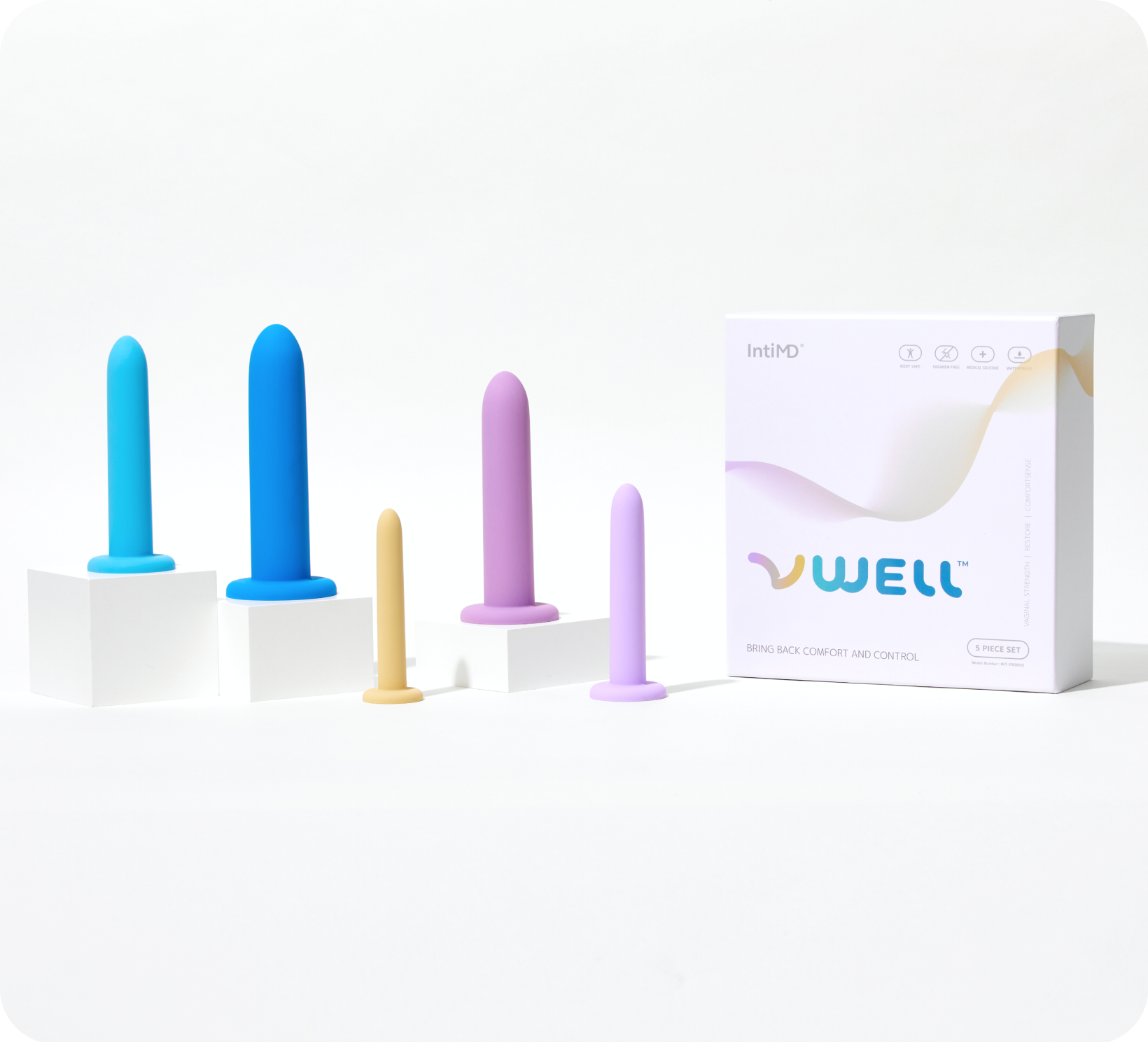
- 5 Piece Introductory Wand Set
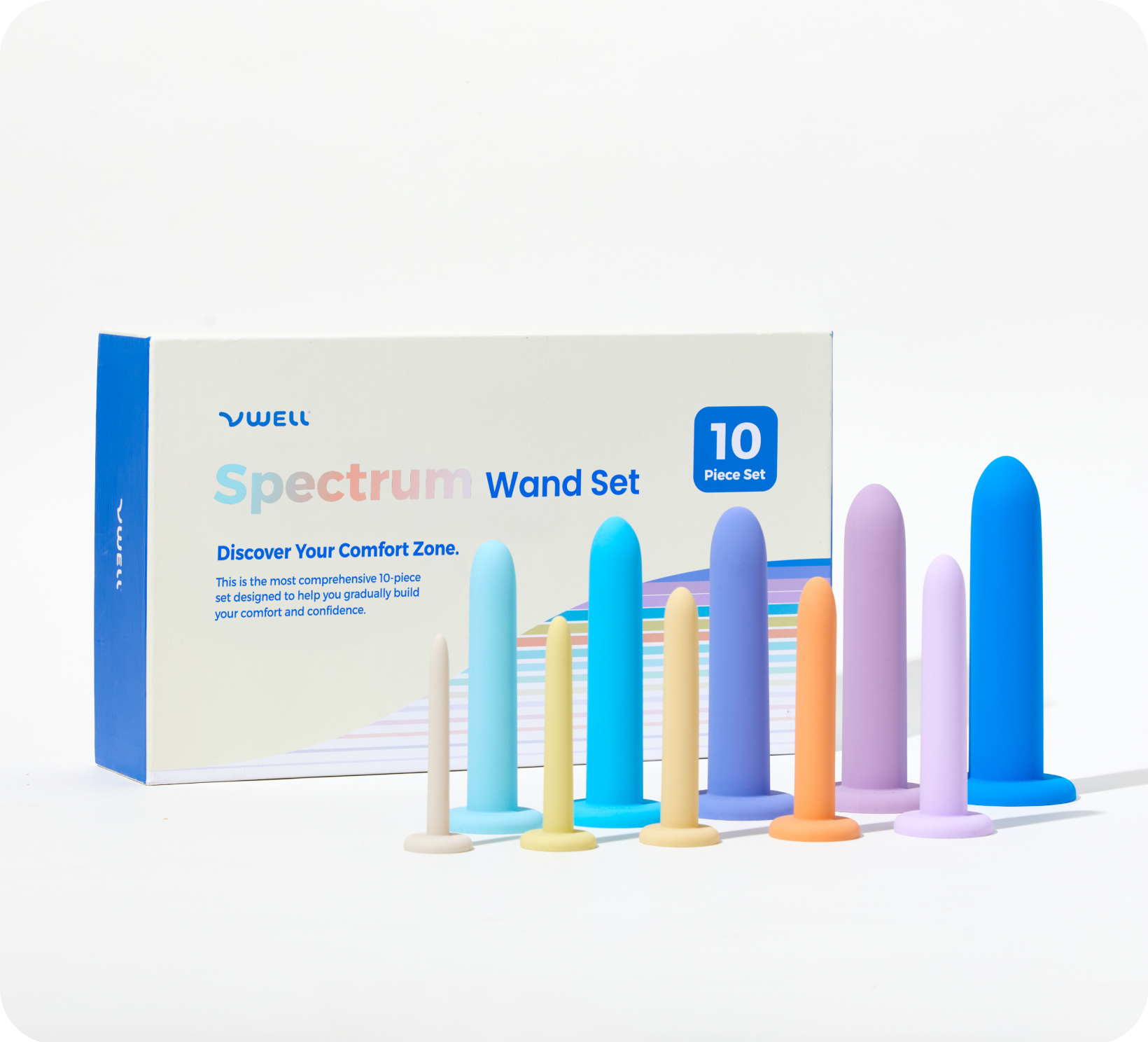
- 10 Piece Wand Set (featuring the smallest wand on the market)
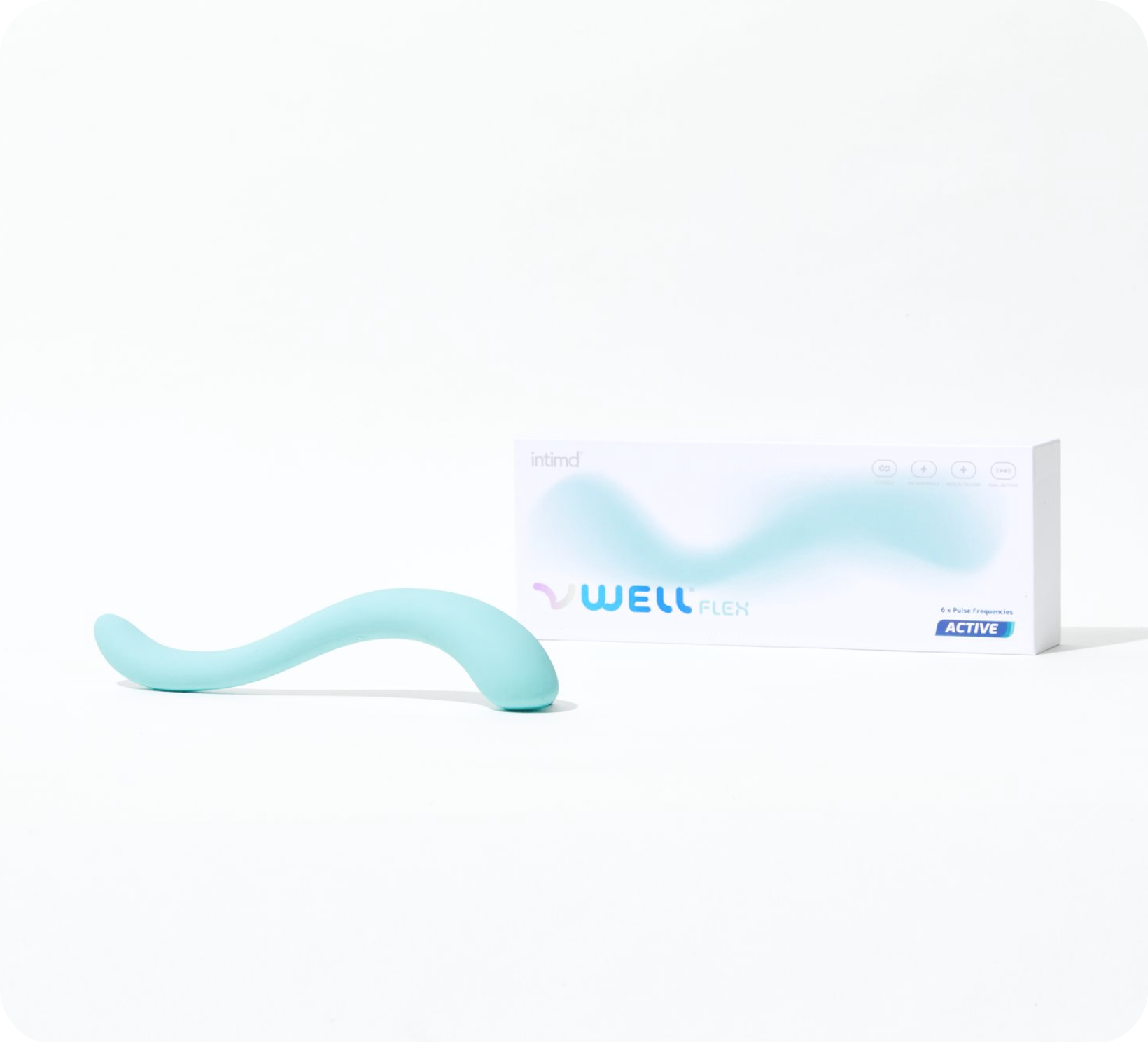
- Flex - Flexible Pelvic Wand
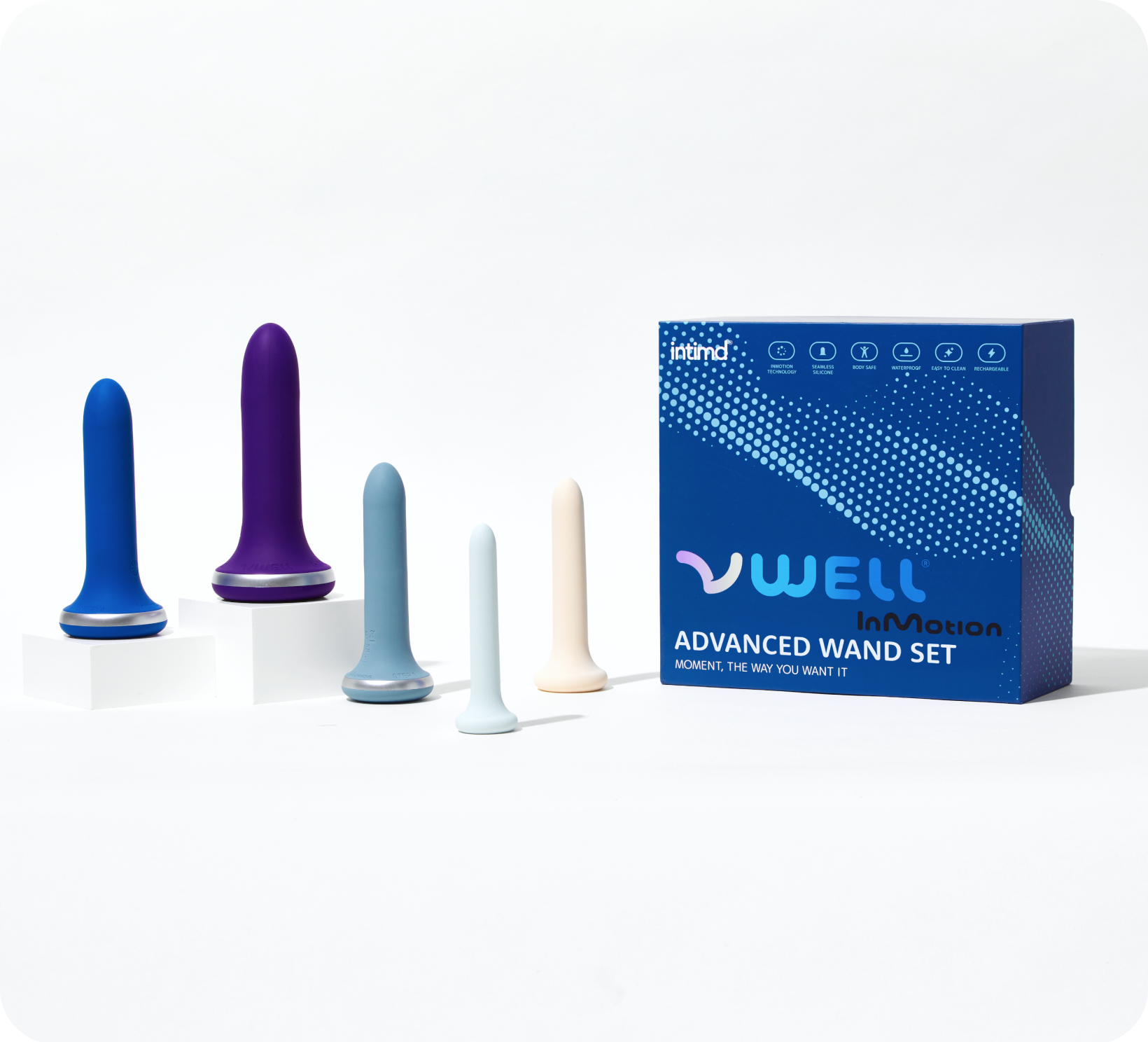
- InMotion 5 Piece Set
- Lubricant
-
How to Locate a Pelvic Health Professional?
If you ever have any questions, reach out to a pelvic health professional for advice on recommendations, tools, techniques, and more on your own custom pelvic health requirements and needs. You can locate a pelvic health professional in our Pelvic Health Therapist Directory. There are various options in all states, and many are available virtually.
-
Subscribe to our mailing list for exclusive tips and deals and follow VWELL on Tiktok, Instagram, and Youtube to stay up to date on all things pelvic health and wellness.