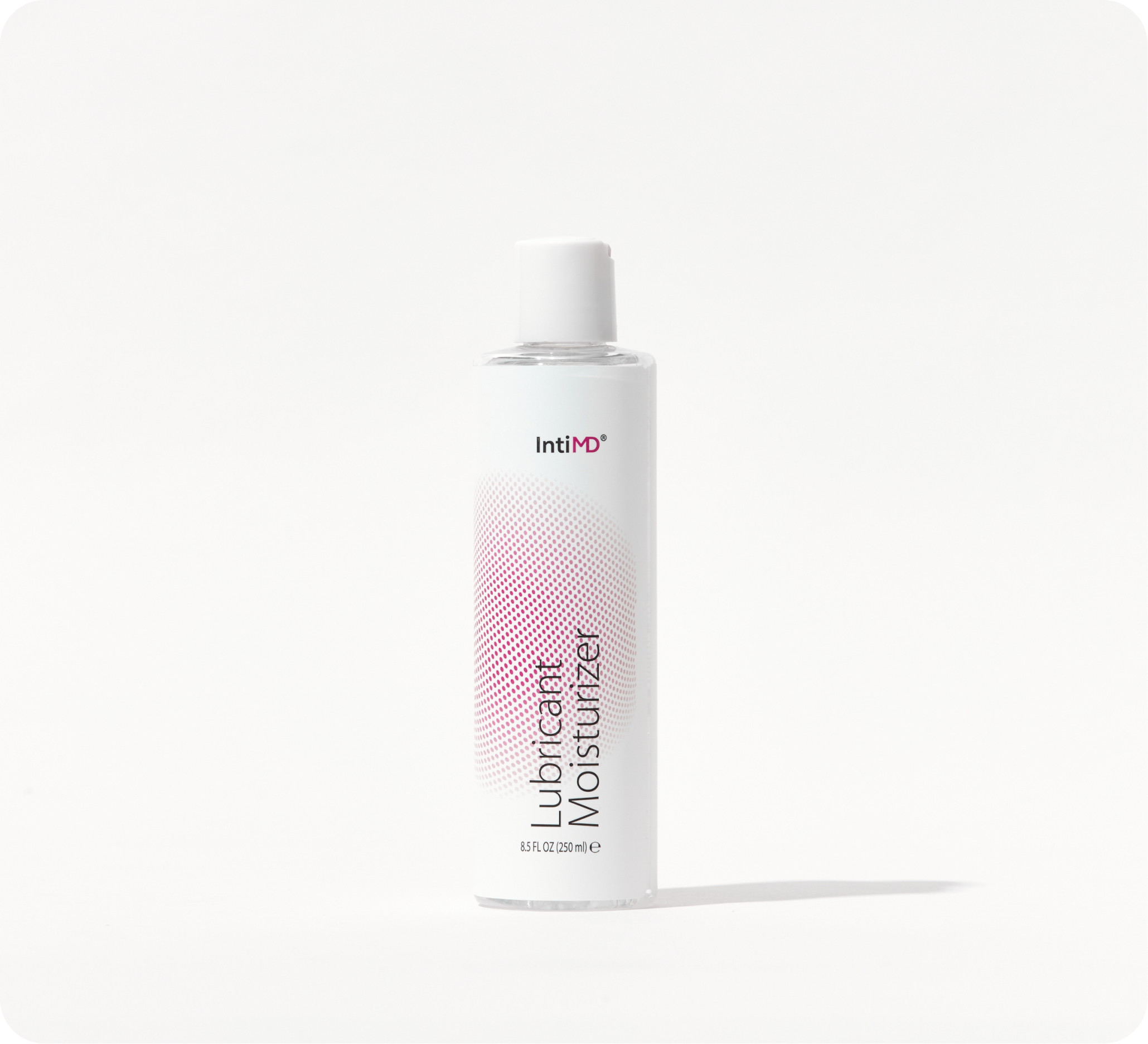
Personal lubricant is intended to moisturize and lubricate intimate activities, whether doing it solo or with a partner. It is typically used to enhance and or comfort the activity further. But there are stigmas behind using lubricant at certain ages. We teamed up with pelvic health professionals to hear their advice on why you should be using lubricant at any age in life.

-
"As an OB-GYN, I often remind women that needing a lubricant doesn’t mean something is wrong with their bodies. Natural vaginal lubrication can change throughout life, especially after childbirth, during breastfeeding, and around menopause. Hormonal changes, stress, and certain medications can all affect vaginal comfort.
A good lubricant helps reduce friction and can make intimacy more comfortable. This is also important for pelvic floor health. When penetration is painful, pelvic floor muscles may tighten involuntarily, potentially making discomfort worse.
I generally recommend choosing a gentle, fragrance-free, water-based or silicone-based lubricant. It’s also important to check compatibility with condoms and other products.
My main message to women :
You don’t have to tolerate pain during intimacy. And using lubricant is nothing to be embarrassed about, regardless of your age."
Dr. Elena Dolgan, OB-GYN
Founder of Leia, a women’s health brand behind Leia Menstrual Cup and LeiaFit, a personalized pelvic floor and postpartum recovery app.
leiacup.com l instagram.com/leiathecup
-
"Think of lube like oil for your car: it helps everything run more smoothly! At every age and stage of life, lubricant can help reduce friction, minimize discomfort, and make intimacy feel more comfortable and enjoyable.
During pregnancy, your body goes through incredible changes, and comfort and natural lubrication can fluctuate. After birth, when hormones are shifting and your body is recovering, lube can be especially helpful. For breastfeeding mamas, lower estrogen levels can mean less natural lubrication and more vaginal dryness, making lube an important tool for more comfortable intimacy. And as you enter perimenopause and menopause, hormonal changes can lead to increased dryness, sensitivity, and discomfort — making a little extra moisture and glide even more valuable.
Depending on the ingredients, some lubes can also help add moisture and hydration when your body needs extra support. Because things change down there over time — hormones, natural lubrication, sensitivity, and more — but one thing stays the same: lube is always a good idea. A little extra slip can go a long way toward reducing discomfort and helping you feel more comfortable, confident, and connected at every age and every stage of life."
Dr. Rebecca Weiner, PT, DPT - 16 years of experience
instagram.com/drbeccagoldstarpt
-
"You can use lube at any age—in fact, I encourage it! It helps reduce friction and makes sex more comfortable and pleasurable. Hormones, breastfeeding, medications, and stress can all affect natural lubrication, so don’t be afraid to use a little game-time assist. Also, you don’t need to have a problem to use lube—if it feels good, use it! Not sure where to start? Look for a fragrance-free, body-safe water- or silicone-based lube and choose one that works for your body."
Jayme Barr-Galang, PT, DPT - 9 years of experience
-
"Our hormone levels heavily impact how much vaginal lubrication we create. As we go through our monthly cycle and as we age, hormones fluctuate and thus vaginal lubrication does as well. Because of this, there's times where we may want to have intercourse but our lubrication doesn't seem to think so and so we feel dryness that may cause discomfort or pain with insertion because of the friction that's created. It's not recommended to "push through" the discomfort- it can cause more harm than good! You run the risk of getting microtears in the vaginal canal that can get irritated and cause discomfort when urinating or when attempt intercourse next time around. For this reason, it's highly recommended you use lubricant -no matter your age - when you feel more dry than lubricated when you're about to have intercourse. It's simply physiology!"
Dr. Jenny Santamaria PT, DPT - 8 years of experience
femme-strong.com l instagram.com/femmestrongpt
-
"There is no upper limit!
If you think you are using enough lubricant, add more and thank me later. We have plenty of research that shows lubricant can help with pain on insertion or dryness but that same research also shows that the control group (with no pain) also reports improved pleasure and enjoyment - who doesn't want that?!"
Ariel Wynne PT, DPT - 8 years experience
GroundFloorPT.com l instagram.com/GroundFloorPT
-
"From a pelvic floor PT perspective, lubricant is more than a comfort product. It helps reduce friction, protect sensitive tissues, and prevent the pelvic floor from tightening in response to pain or irritation. Hormonal changes, life events, and shifts in tissue health occur throughout a woman's lifespan, making lubrication a helpful tool at any age. It's especially beneficial during postpartum recovery, breastfeeding, perimenopause, menopause, or anytime tissues feel dry or sensitive. When choosing a lubricant, look for one that is gentle, pH-balanced, and free of fragrances or other common irritants"
Trista Weimer, PT, DPT, OCS, PCES, CAPP-Pelvic - DPT 15 years; Owner of Enrich Motion PT & Wellness
enrichmotion.com l instagram.com/enrichmotion
-
"Lubrication is helpful at every age. Throughout younger years, lubrication aids in enhancing sexual pleasure and comfort. Lubricants can be water, silicone or oil based. Oil based lubricants include coconut oil which also contains anti-microbial properties. Water based lubricants tend to dry quickly and require faster reapplication. Silicone based lubes are the most effective at preventing microtears and trauma, which is especially important for prevention of UTIs and vulvar trauma in aging people with a vulva. Very importantly, aging women should also use vaginal estrogen cream to promote healthy tissue, prevent urinary tract infections, and aid in sexual dysfunction with menopausal hormone changes. "
Rainey Horwitz, MD, MS (Urology Resident Physician)
-
“Lubrication is not a measure of desire, and pain is not a prerequisite for using it.”
As a pelvic health physical therapist, I remind patients that lubrication isn’t just about pleasure. It helps reduce friction, protect sensitive tissues, and promote comfort at every age.
Natural lubrication can change with hormones, breastfeeding, menopause, or medications, regardless of desire. From a pelvic floor perspective, friction-related discomfort may trigger protective muscle guarding, contributing to a cycle of pain and tension.
Choosing a gentle, fragrance-free lubricant can make intimacy more comfortable. Water-based and silicone-based options both have benefits, while those trying to conceive should consider sperm-compatible products.
My advice: You don’t need to wait for pain to prioritize comfort. Lubricant is a choice, not a necessity, and persistent discomfort deserves attention."
Bhakti Patel PT, Pelvic Health Specialist
instagram.com/pelvicandbeyondpt
-
How to Locate a Pelvic Health Professional?
If you ever have any questions, reach out to a pelvic health professional for advice on recommendations, tools, techniques, and more on your own custom pelvic health requirements and needs. You can locate a pelvic health professional in our Pelvic Health Therapist Directory. There are various options in all states, and many are available virtually.
-
Subscribe to our mailing list for exclusive tips and deals and follow VWELL on Tiktok, Instagram, and Youtube to stay up to date on all things pelvic health and wellness.