For many women, pregnancy and the postpartum journey come with a "new normal" that often includes a frustrating, and sometimes embarrassing, reality: urinary incontinence. Urinary incontinence simply means leaking pee when you don’t want to. While it is more common than you might think—especially for women—it is nothing to be embarrassed about.
At Painless Pregnancy, we want to help you understand what’s happening with your body so you can feel confident and in control again. Leaking urine is common, but it is not something you have to just deal with. Let’s break down the two main types of bladder leaks we see most often.
1. Stress Incontinence: The Pressure Leak
Stress incontinence occurs when your bladder is under physical pressure. This isn't about emotional stress; it’s about the physical load placed on your pelvic floor during movement.
-
What it feels like: You might leak a few drops of pee during movement, even if you didn't feel like you needed to go.
-
Common Triggers: This happens when you cough, sneeze, laugh hard, lift something heavy, or go for a run or jump.
-
Why it happens: Your pelvic floor muscles (the ones that help support your bladder and uterus) might be weakened or stretched. This is common after having a baby, surgery, or due to age and hormone changes.
2. Urge Incontinence: The Sudden Rush
Urge incontinence is that sudden, intense "gotta go now!" feeling. You feel a strong, urgent need to pee, but you don't always make it to the bathroom in time.
-
What it feels like: You feel like you have to go right now, even if your bladder isn't full, and you might leak before you can even sit down on the toilet.
-
Common Triggers: You might find your bladder reacting to the sound of running water, putting your key in the door, or drinking coffee or soda. Sometimes, it happens for no reason at all.
-
Why it happens: Your bladder is trying to empty before it’s full—often because the signals between your brain and bladder are getting mixed up or your bladder is more sensitive.

Can You Have Both?
Yes, and many women do! This is called mixed incontinence. In these cases, you may leak with movement and also feel those sudden, uncontrollable urges.
Stress vs. Urge: At a Glance
|
Feature |
Stress Leaks |
Urge Leaks |
|
When it happens |
With movement or pressure |
Suddenly, with a strong urge |
|
How much leaks |
Usually a little |
Sometimes a lot |
|
Why it happens |
Weakened muscles |
Bladder is overactive |
|
Examples |
Sneezing, laughing, lifting |
Hearing water, walking to the door |
How We Can Help?
The most important thing to know is that you are not alone. There are real solutions made just for your body.
At Painless Pregnancy, we understand that leaking is more than just a physical symptom—it’s an interruption to your daily life. Our concierge model is designed to move beyond "basic" advice by providing specialized, one-on-one care in your own environment.
Here is a closer look at how our Doctors of Physical Therapy assist you with incontinence:
1. Easy, Effective Pelvic Floor Exercises
We don't just tell you to "do more kegels".
-
Personalized Assessment: We evaluate whether your pelvic floor muscles are weak, over-stretched, or perhaps even too tight (hypertonic), which can also cause leaking.
-
Functional Movement: We teach you how to coordinate your pelvic floor with everyday movements—like lifting your baby or sneezing—to prevent "Stress Incontinence".
-
Home Integration: Because we are in your home, we can show you how to perform these exercises using your own furniture or while following your actual daily routine.
2. Helping Your Bladder Learn Better Habits
Incontinence is often a communication issue between your brain and your bladder.
-
Bladder Retraining: For those dealing with "Urge Incontinence," we use specific techniques to "quiet" the bladder and increase the time between bathroom visits.
-
Urge Suppression: We teach you physical and mental cues to manage that "gotta go now" feeling so you can make it to the bathroom calmly and dry.
-
Addressing "Just in Case" Peeing: We help you break the habit of going to the bathroom when you don't actually need to, which can inadvertently shrink your bladder's capacity.
3. Tweaking Fluids and Diet
You shouldn't have to give up everything you love to stay dry.
-
Identifying Triggers: We help you identify "bladder irritants" like caffeine, soda, or certain acidic foods that might be triggering your urgency.
-
Hydration Strategy: Rather than just "drinking less," we look at when and how you hydrate to ensure your kidneys and bladder are working efficiently without causing nighttime leaks.
4. Talking Through Medical Options
We serve as your primary advocate and health partner.
-
Comprehensive Care: While we focus on physical therapy, we recognize when a situation might require further medical intervention.
-
Informed Guidance: If conservative therapy isn't providing the full results you need, we can discuss medical options or referrals to specialists, ensuring you never feel alone in navigating your healthcare.
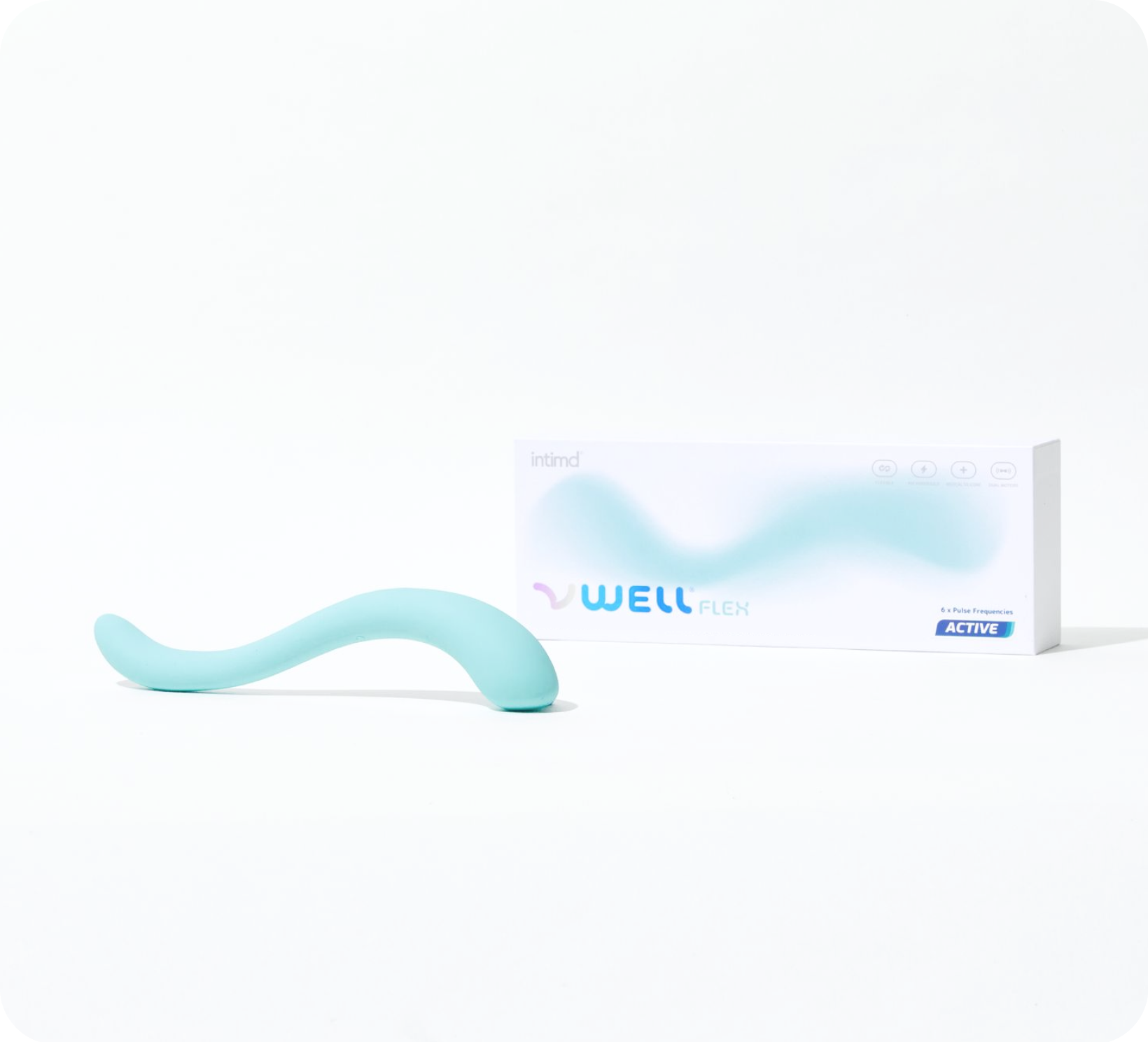
The VWELL Flex Silicone Vibrating Wand is an effective tool for postpartum recovery because it addresses two primary causes of incontinence: muscle weakness and internal tension. After childbirth, the pelvic floor can become overstretched or carry tight scar tissue that prevents the muscles from closing the urethra properly. This wand uses gentle vibration to improve local circulation and stimulate the "tonic vibration reflex," which encourages natural muscle contractions and improves neuromuscular coordination. By using the flexible, ergonomic tip to perform targeted internal massage, users can release painful trigger points and restore the elasticity needed for a functional, leak-free pelvic floor.
Ready to feel strong and in control again?
Reach out to us at support@painless-pregnancy.com, call 954-507-2010, or visit PainlessPregnancy.com.
Written by Dr. Kat Vigo, PT, DPT